
Eitarō Ozawa , also credited as Sakae Ozawa (小沢栄), was a Japanese film actor and stage actor and director. He appeared in more than 200 films between 1935 and 1988, directed by notable filmmakers such as Kenji Mizoguchi, Mikio Naruse, Keisuke Kinoshita and Kaneto Shindō.
Photos 1

Filmography 40
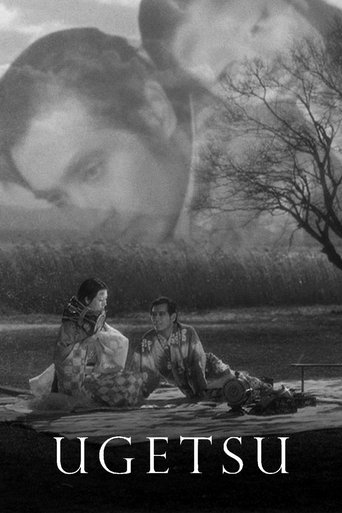 Ugetsu
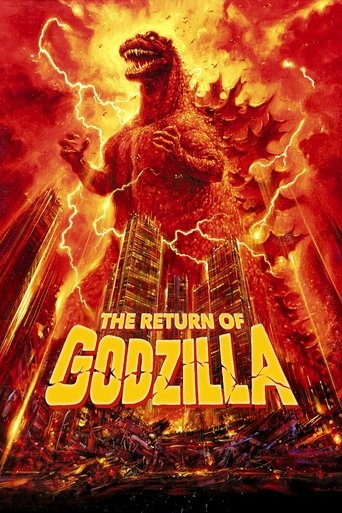 The Return of Godzilla
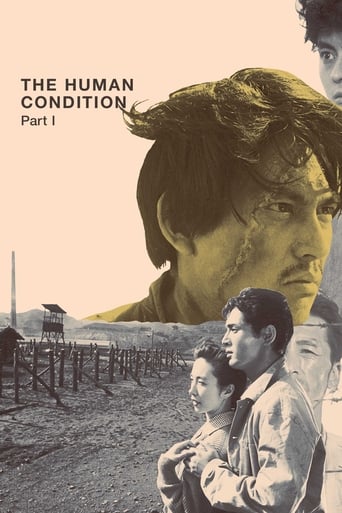 The Human Condition I: No Greater Love
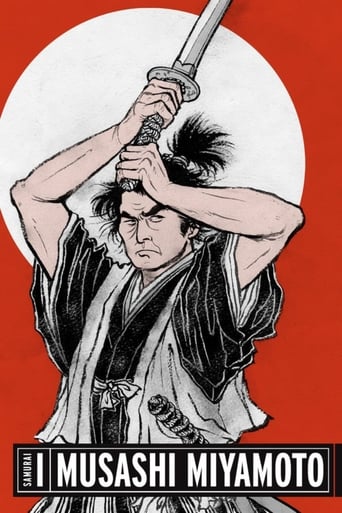 Samurai I: Musashi Miyamoto
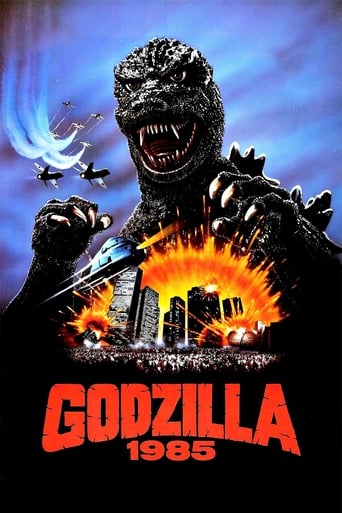 Godzilla 1985
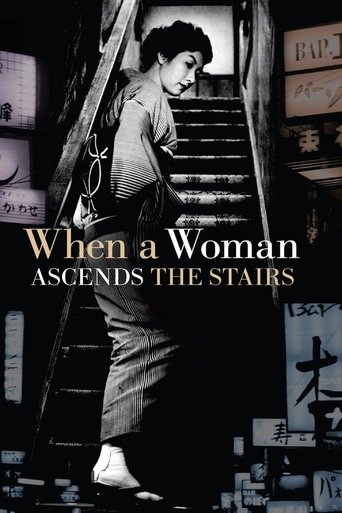 When a Woman Ascends the Stairs
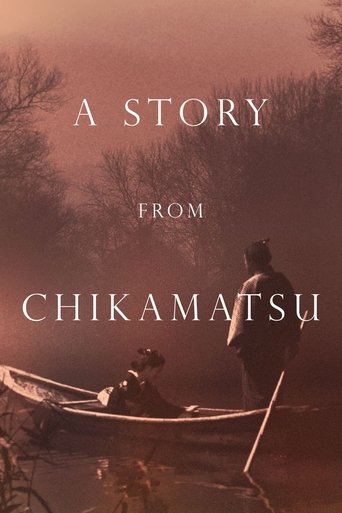 Chikamatsu Monogatari
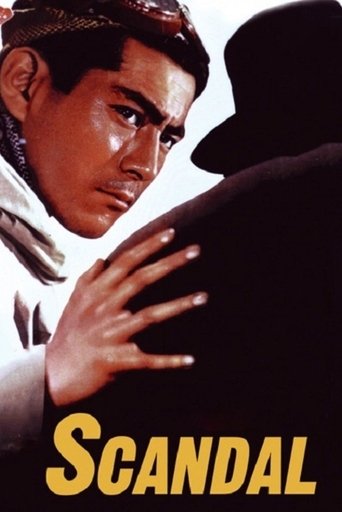 Scandal
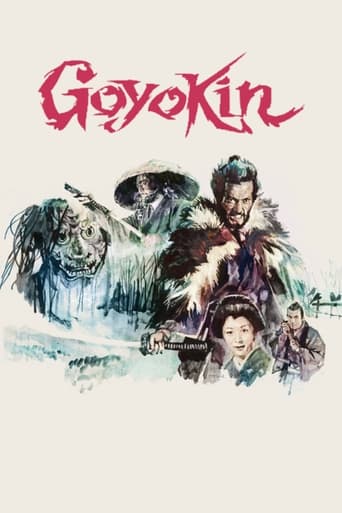 Goyokin
 Princess Yang Kwei-fei
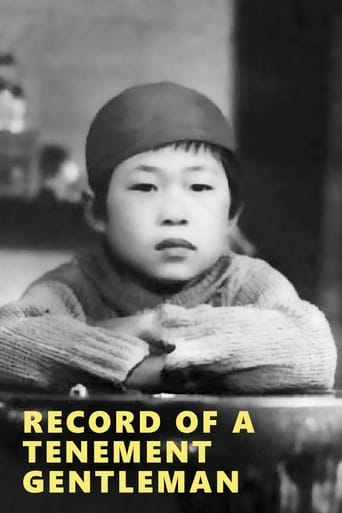 Record of a Tenement Gentleman
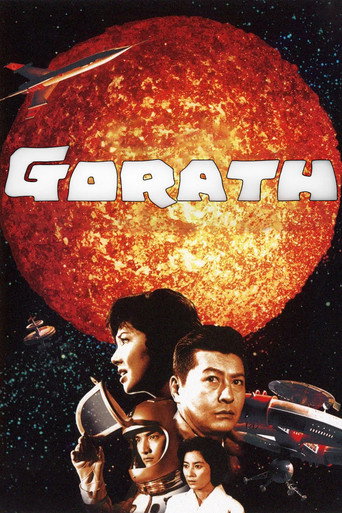 Gorath
 Samurai Spy
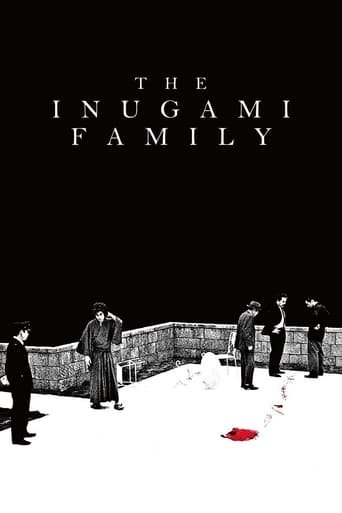 The Inugami Family
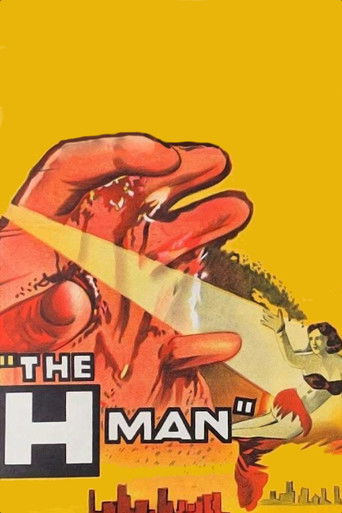 The H-Man
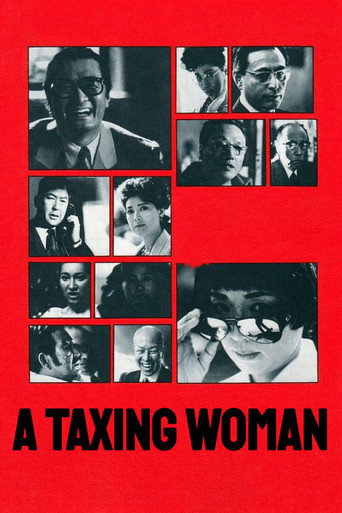 A Taxing Woman
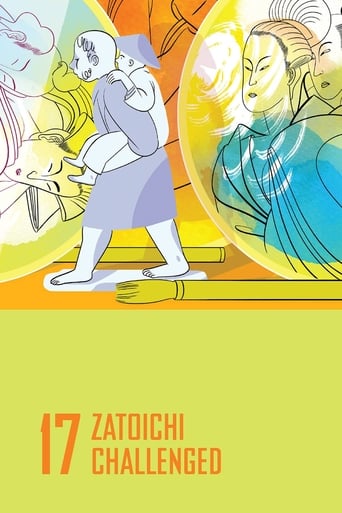 Zatoichi Challenged
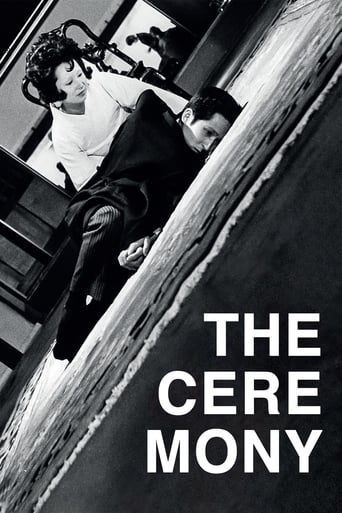 The Ceremony
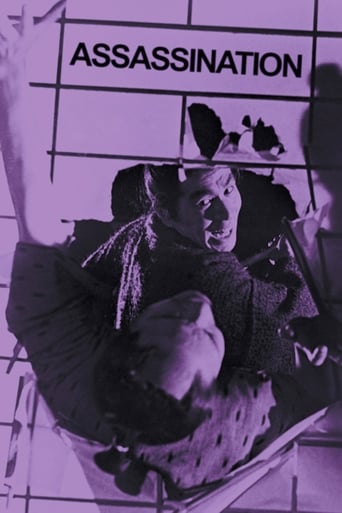 Assassination
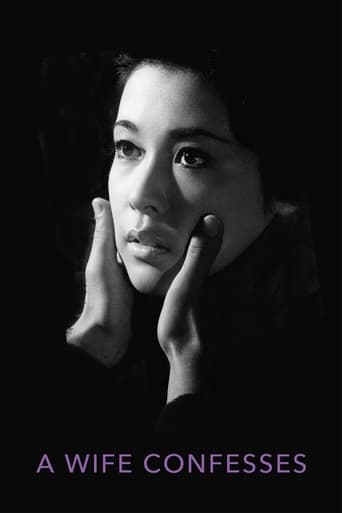 A Wife Confesses
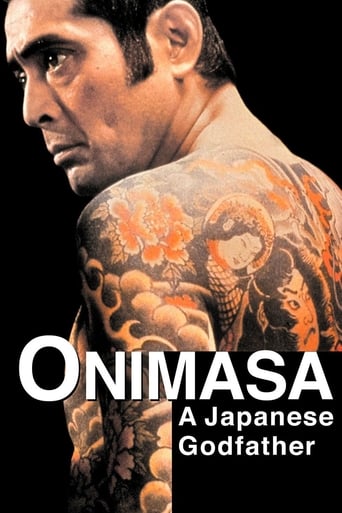 Onimasa: A Japanese Godfather
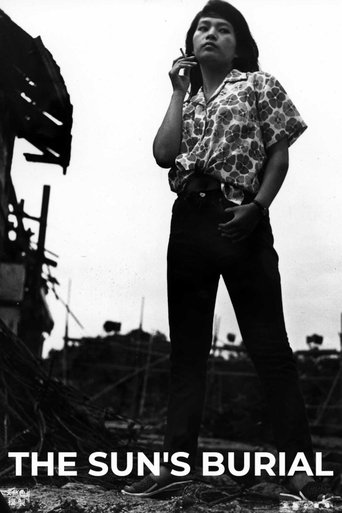 The Sun's Burial
 Lightning
 Carmen Comes Home
 Bandits vs. Samurai Squadron
 The Thick-Walled Room
 Sandakan No. 8
 Kenji Mizoguchi: The Life of a Film Director
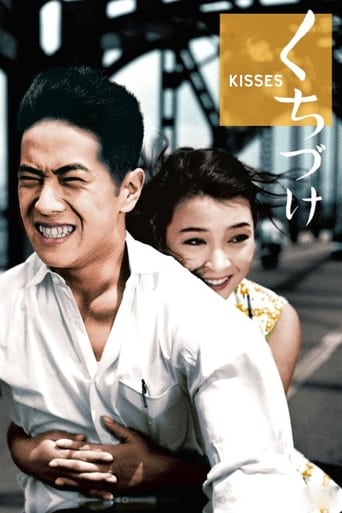 Kisses
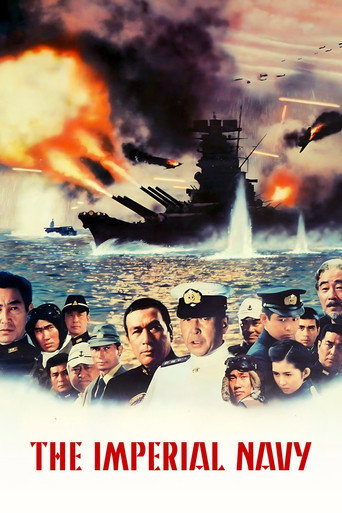 The Imperial Navy
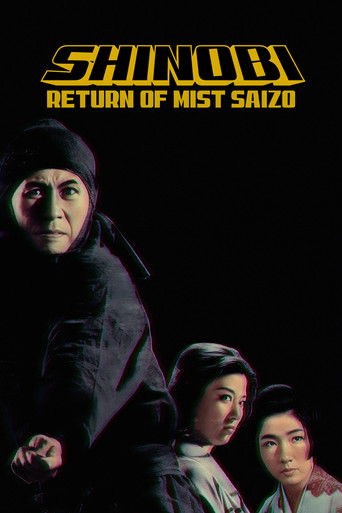 Shinobi No Mono 5: Return of Mist Saizo
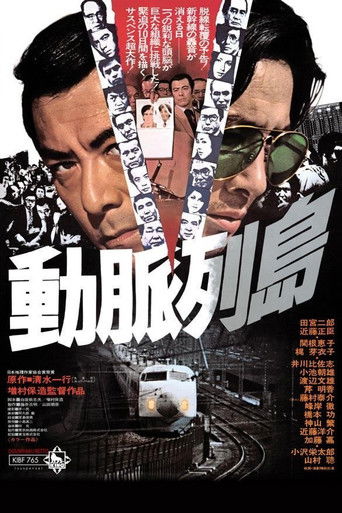 Main Line to Terror
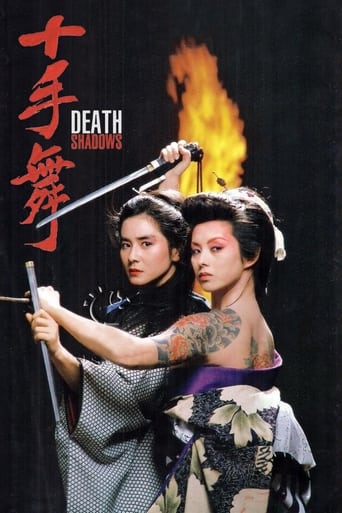 Death Shadows
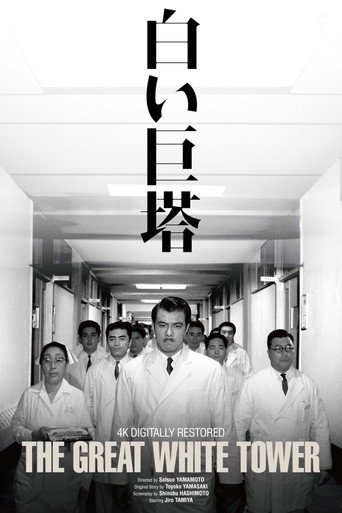 The Great White Tower
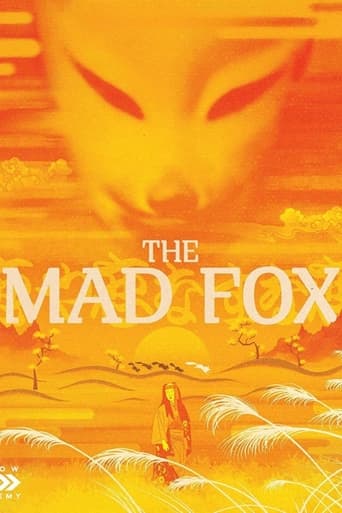 The Mad Fox
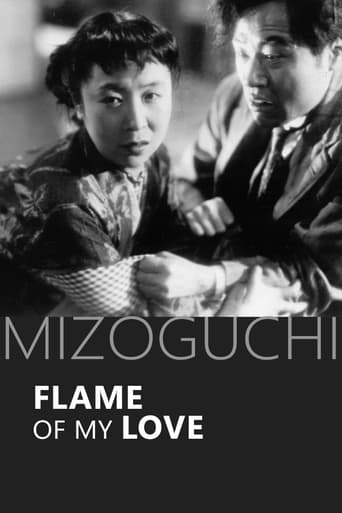 Flame of My Love
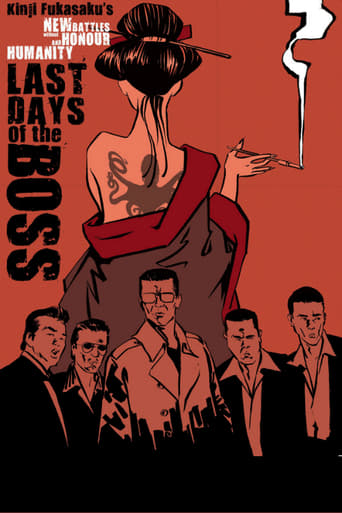 New Battles Without Honor and Humanity 3: Last Days of the Boss
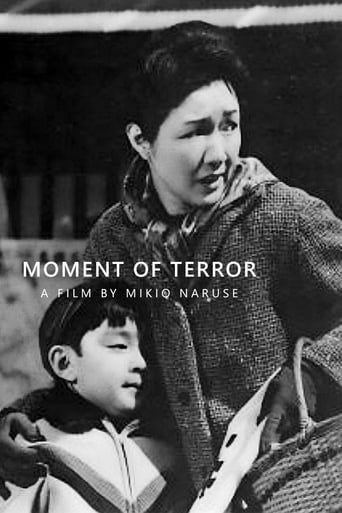 Moment of Terror
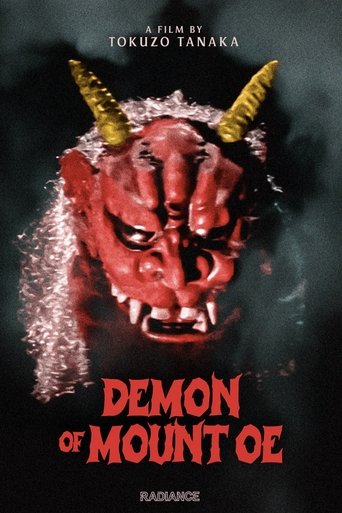 The Demon of Mount Oe
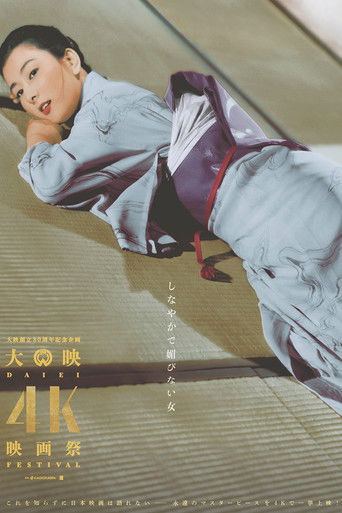 Undercurrent
274 credits on file
Television 8
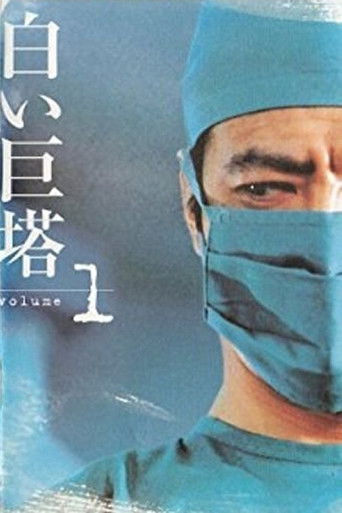 The White Tower
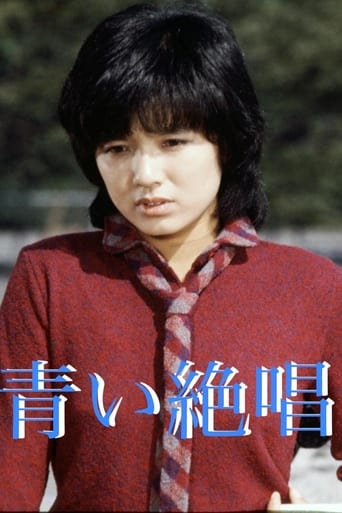 Blue Singing
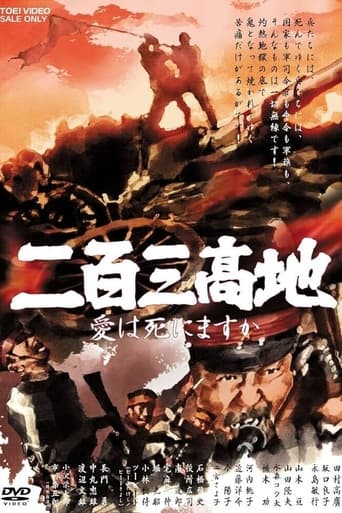 The Battle of Port Arthur: Will Love Die?
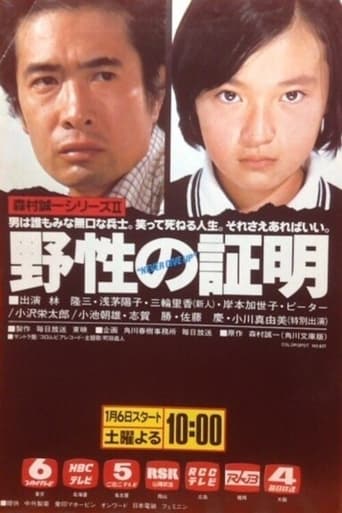 Yasei no Shōmei
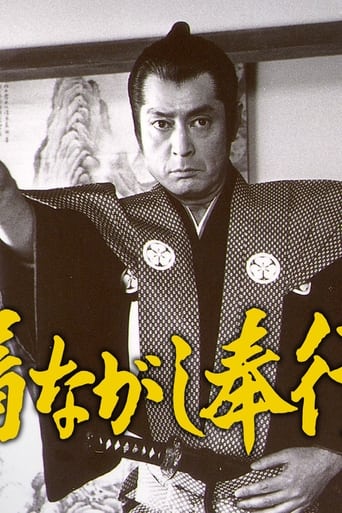 Kinagashi Bugyō
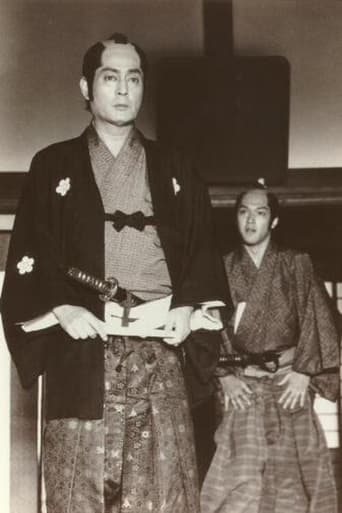 Momi no Ki wa Nokotta: Ranshin
 Totteoki no Seishun
鮮やかな完全犯罪・女相続人
Awards 2
Connected to Eitarō 6



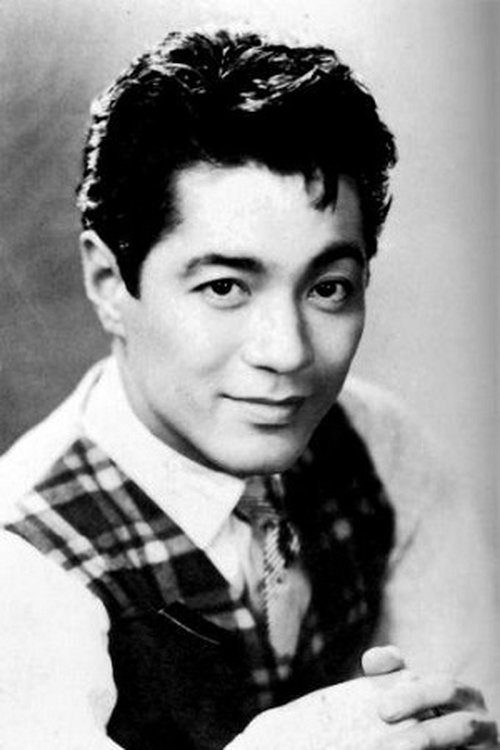

About this person
Country
 Japan
JapanCategory
Actors
Type
Actor
Status
deceased
Dates
Lived 1909 to 1988 · aged 79
Written about in
11 languages
Fame.am measures public visibility signals. It does not measure human value, talent, morality, or credibility.