Dziga Vertov
Russian-Soviet documentary/avantgarde filmmaker (1896-1954) · Russia · Directors · Died at 58
Dziga Vertov is read about 275 times a day, in 53 languages.
A typical day, 30 days to 15 September 2026
The middle day of the days counted, so one week of news cannot move it. The line under it is the last 60 days, one point a day.
Something wrong?He built a documentary grammar before the word existed - Soviet newsreels as kinetic argument, the camera as participant not witness. Man with a Movie Camera still lands in the top ten of greatest-ever lists, and his theories seeded cinéma vérité decades before France gave it the name.
A life in dates
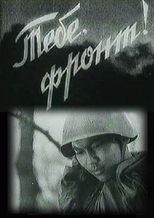 For You at the Front!Film, Director, Writer1937In Memory of Sergo OrdzhonikidzeFilm, Director1934
 Three Songs About LeninFilm, Director, Writer1930
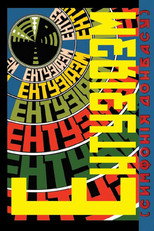 Enthusiasm: Symphony of DonbasFilm, Director1929
 Man with a Movie CameraFilm, Director, Writer1928
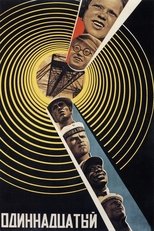 The Eleventh YearFilm, Director, Writer1926
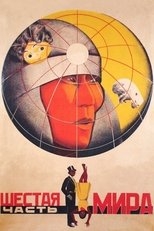 A Sixth Part of the WorldFilm, Director, Writer1925
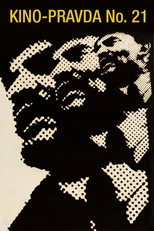 Kino-Pravda No. 21: Lenin Kino-Pravda. A Film Poem About LeninFilm, Director1924
 Kino-EyeFilm, Director, Writer1923First May in MoscowFilm, Director1922
 Kino-Pravda No. 1Film, Director1921
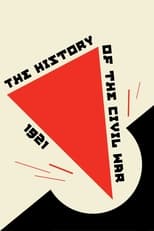 The History of the Civil WarFilm, Director1919
 The Brain of Soviet RussiaFilm, Director1918
 Anniversary of the RevolutionFilm, Director1896Born2 January 1896
Also in Deutsch
Photos 1

Filmography 40
FFFor You at the Front!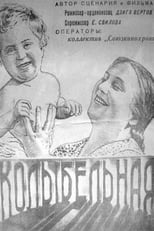 LULullabyTLThree Songs About LeninEDEnthusiasm: Symphony of DonbasMCMan with a Movie CameraTYThe Eleventh YearAWA Sixth Part of the World
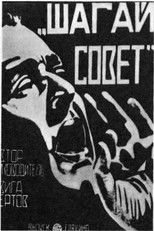 SSStride, Soviet!KLKino-Pravda No. 21: Lenin Kino-Pravda. A Film Poem About Lenin
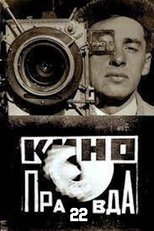 KSKino-Pravda No. 22: Lenin Is Alive in the Heart of the Peasant. A Film Story
 KPKino-Pravda No. 23: Radio PravdaKEKino-Eye
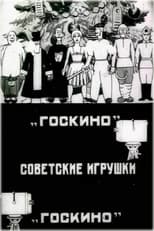 STSoviet Toys
 KRKino-Pravda No. 18: A Movie-Camera Race Over 299 Metres and 14 Minutes and 50 Seconds in the Direction of Soviet Reality
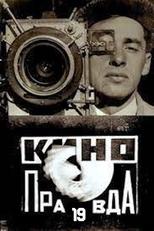 KOKino-Pravda No. 19: A Movie-Camera Race Moscow - Arctic Ocean
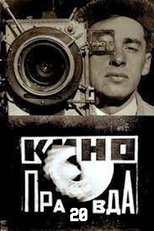 KPKino-Pravda No. 20: Pioneer Pravda
 KNKino-Pravda No. 17
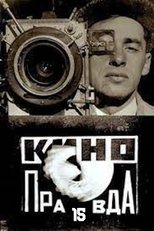 KNKino-Pravda No. 15
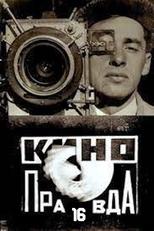 KNKino-Pravda No. 16: Spring Pravda. A Lyrical View Newsreel
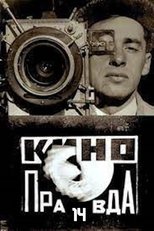 KNKino-Pravda No. 14KNKino-Pravda No. 1
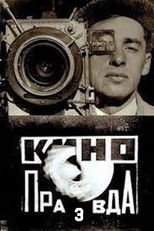 KNKino-Pravda No. 3
 KNKino-Pravda No. 4
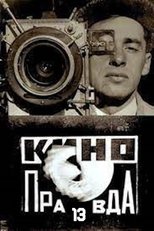 KRKino-Pravda No. 13: Yesterday, Today, Tomorrow. A Film Poem Dedicated to the October Revolution
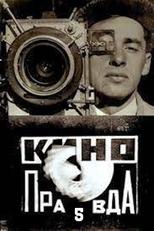 KNKino-Pravda No. 5
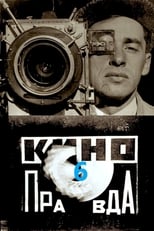 KNKino-Pravda No. 6
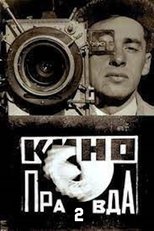 KNKino-Pravda No. 2
 KNKino-Pravda No. 7
 KNKino-Pravda No. 8
 KNKino-Pravda No. 10
 KNKino-Pravda No. 9
 KNKino-Pravda No. 11
 KNKino-Pravda No. 12TWThe History of the Civil WarTRThe Brain of Soviet Russia
 TRThe Exposure of the Relics of Sergius of RadonezhARAnniversary of the Revolution
92 credits on file
Awards
In their orbit 3


About this person
Born David Kaufman in 1896, he took the pseudonym Dziga Vertov and joined the Kinoks collective alongside his future wife Elizaveta Svilova and brother Mikhail Kaufman. Through the 1920s he turned Soviet newsreels into formal experiments, arguing the camera could see truths the human eye missed. In 1929 he released Man with a Movie Camera - no actors, no script, just montage and motion - working again with Mikhail on cinematography and his younger brother Boris Kaufman. Critics in the 2012 Sight & Sound poll ranked it the eighth-greatest film ever made. He died in Moscow in 1954, but the cooperative that borrowed his name in 1968 and the vérité tradition that followed kept the argument alive.
In common with Dziga
 Kliment VoroshilovAlso in Kino-Pravda No. 21: Lenin Kino-Pravda. A Film Poem About Lenin (1925)
 Lev KuleshovAlso in The Exposure of the Relics of Sergius of Radonezh (1919)
 Nadezhda KrupskayaAlso in Kino-Pravda No. 21: Lenin Kino-Pravda. A Film Poem About Lenin (1925)
 Joseph StalinAlso in Kino-Pravda No. 21: Lenin Kino-Pravda. A Film Poem About Lenin (1925)
Directors from Russia 2


Fame.am measures public visibility signals. It does not measure human value, talent, morality, or credibility.