
David Bentley Hart
✓ Source-basedstableAmerican author, theologian, and philosopher
David Bentley Hart is an American philosopher, theologian, essayist, fiction author, and religious studies scholar. He is the author of twenty-four books, as well as over one thousand essays, reviews, and papers. From a predominantly Anglican family background, Hart became Eastern Orthodox when he was twenty-one.
Also inDeutsch
Photos 2


In their own words 6
The cross of Christ is not, after all, simply an eternal validation of pain and death, but their overthrow.
Chapter 2, Location 666
Christ is a persuasion, a form of evoking desire... Such an account [of Christ] must inevitably make an appeal to beauty.
p. 3
Beauty crosses every boundary, traverses every series, and so manifests the God who transcends every division.
p. 21
Academics from United States 6
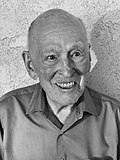


About this person
David Bentley Hart is an American philosopher, theologian, essayist, fiction author, and religious studies scholar. He is the author of twenty-four books, as well as over one thousand essays, reviews, and papers. From a predominantly Anglican family background, Hart became Eastern Orthodox when he was twenty-one. His academic works focus on Christian metaphysics, philosophy of mind, Indian and East Asian religion, Asian languages, classics, and literature as well as a New Testament translation. Books with wider audiences include The Doors of the Sea, Atheist Delusions, The Experience of God, That All Shall Be Saved, Roland in Moonlight, A Roland Colonnade, and All Things Are Full of Gods.
 United States
Fame.am measures public visibility signals. It does not measure human value, talent, morality, or credibility.