
Bibbo was a music composer, singer and actress who worked in both Indian and Pakistani films. She acted in Indian cinema from 1931 to 1947 before moving to Pakistan, following Partition of India in 1947. She started her acting career with Ajanta Cinetone Ltd. in 1933, working with directors like M. D. Bhavnani and A.
Photos 1

Filmography 25
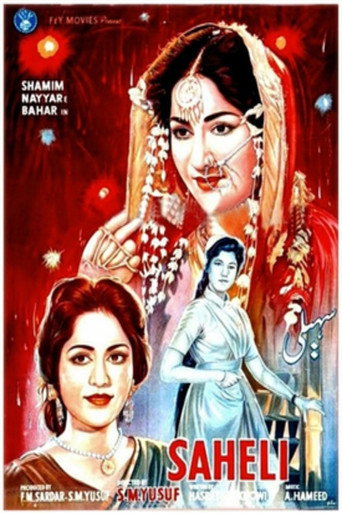 Saheli
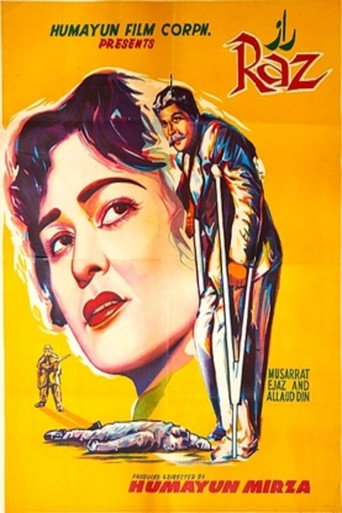 Raaz
Raaz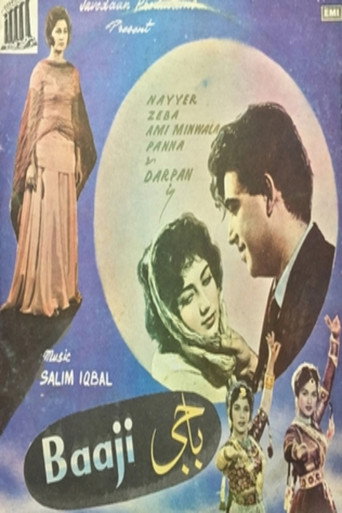 Baji
Baji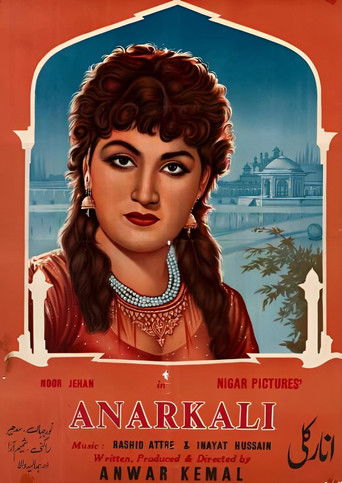 Anarkali
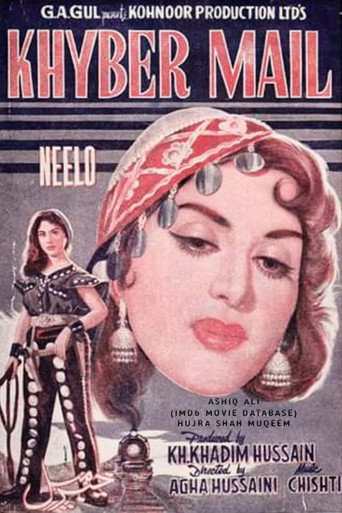 Khaibar Mail
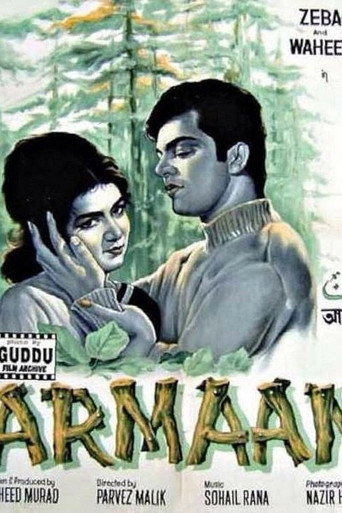 Armaan
 Qatill
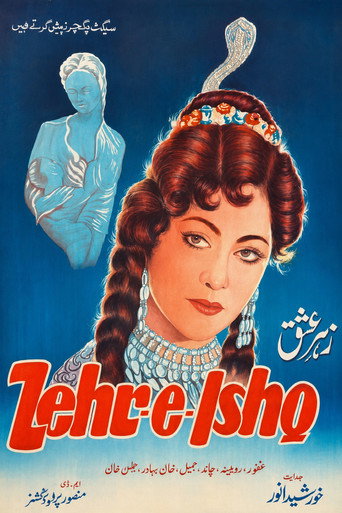 Zehr E Ishq
 Sassi
Sassi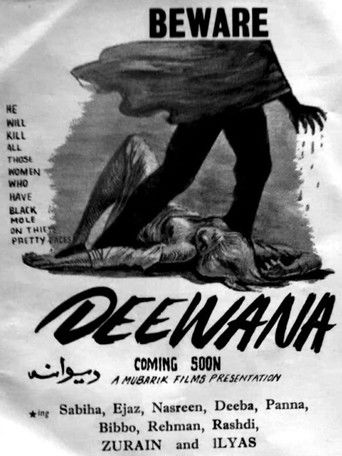 Madman
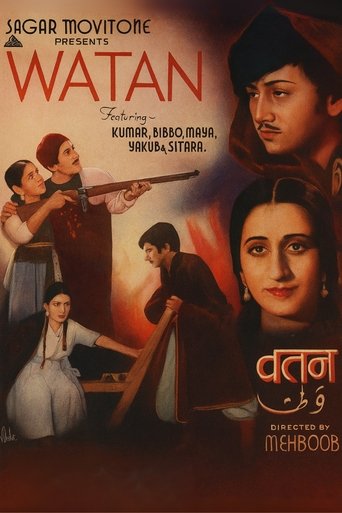 Watan
Watan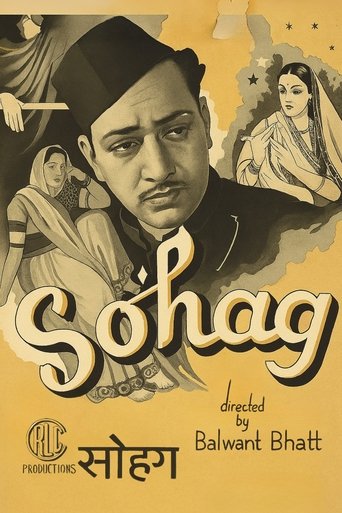 Sohag
Sohag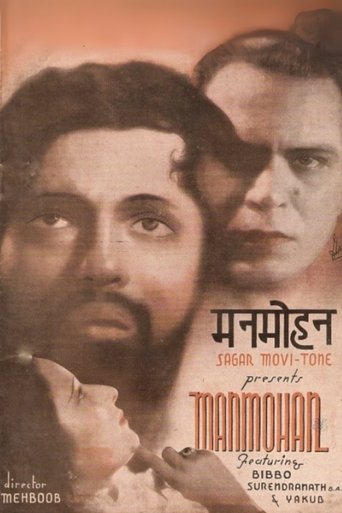 Manmohan
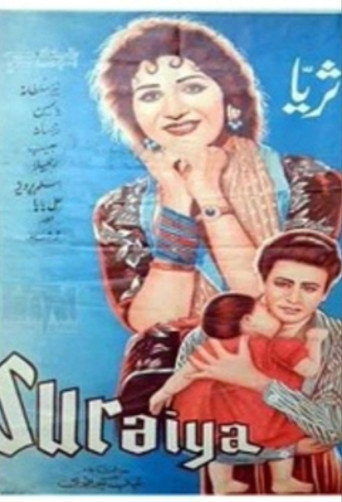 Surayya
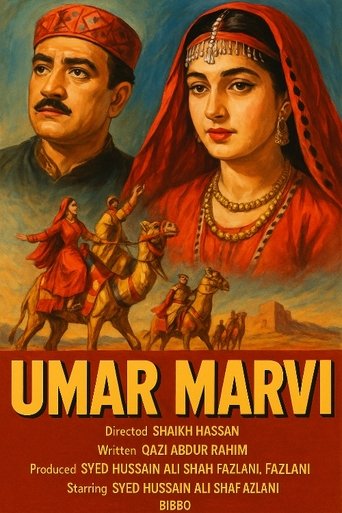 Umar Marvi
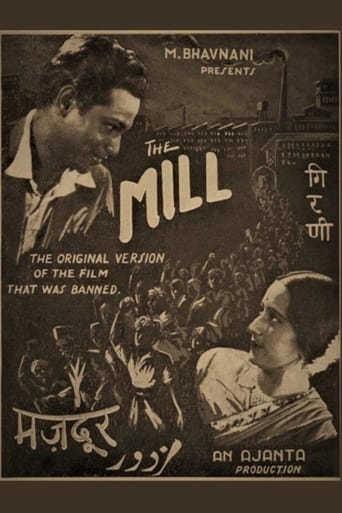 The Mill
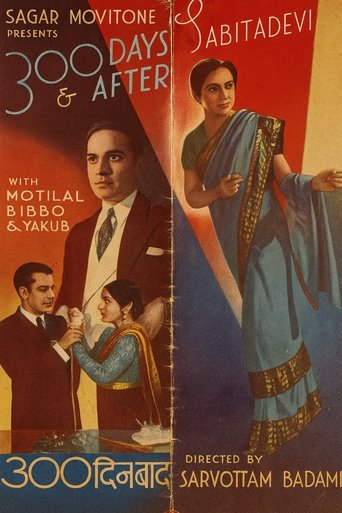 300 Days and After
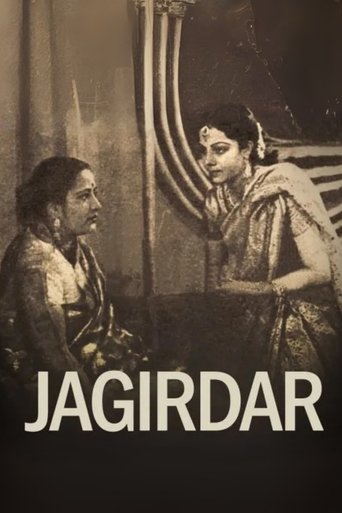 Jagirdar
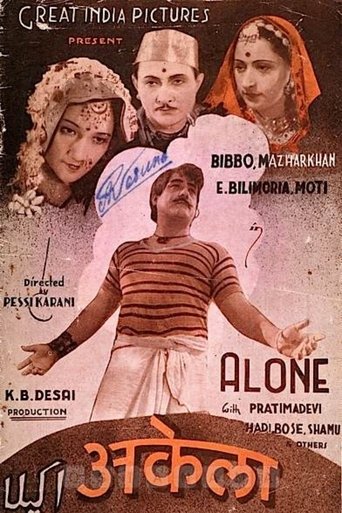 Akela
Akela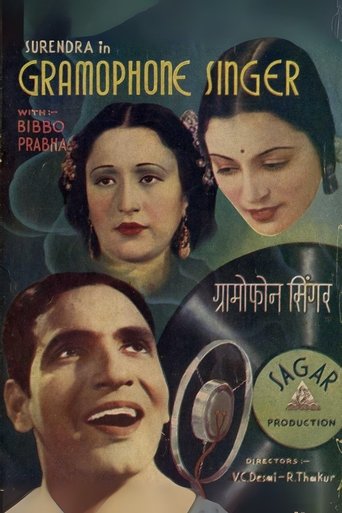 Gramophone Singer
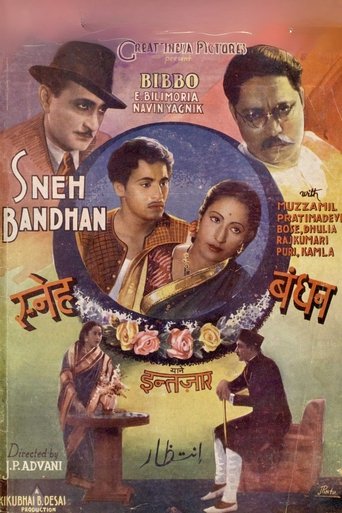 Sneha Bandhan
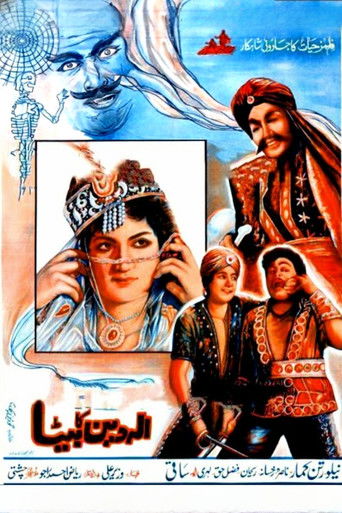 Aladdin Ka Beta
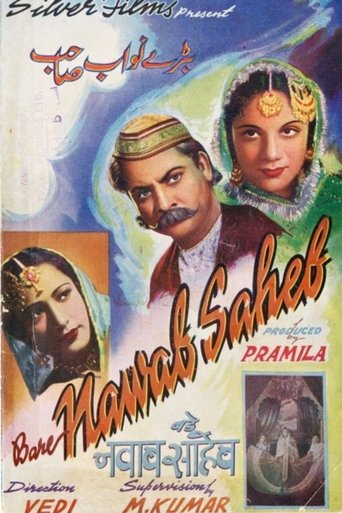 Bade Nawab Saheb
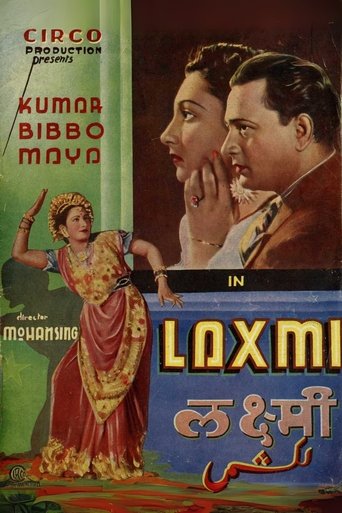 Laxmi
LaxmiConnected to Bibbo 6


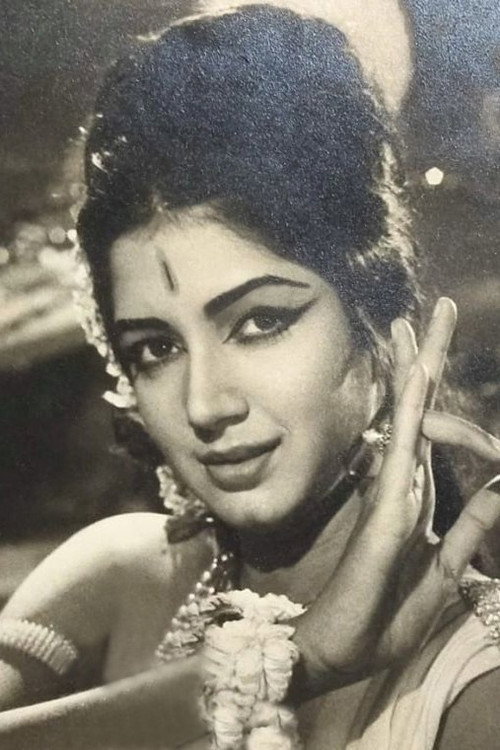
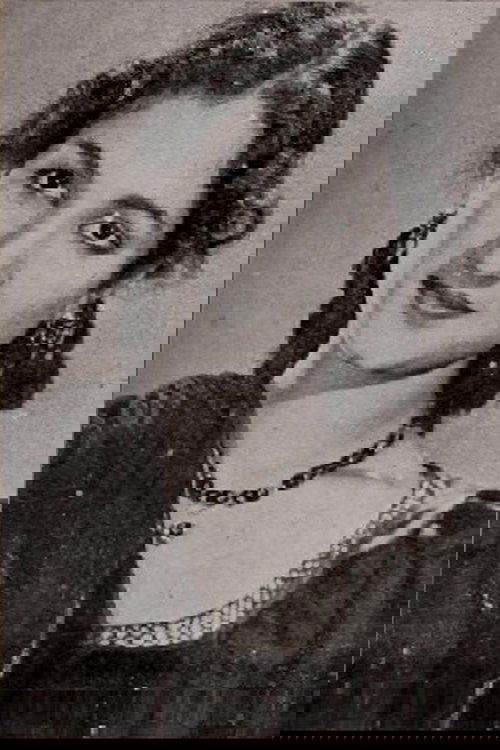
About this person
Bibbo was a music composer, singer and actress who worked in both Indian and Pakistani films. She acted in Indian cinema from 1931 to 1947 before moving to Pakistan, following Partition of India in 1947. She started her acting career with Ajanta Cinetone Ltd. in 1933, working with directors like M. D. Bhavnani and A. P. Kapoor. She was one of the top leading ladies of the 1930s along with actresses like Devika Rani, Durga Khote, Sulochana, Mehtab, Shanta Apte, Sabita Devi, Leela Desai and Naseem Banu. She was referred to as "one of the most important female stars of the 1930s and 1940s". Her fame had her featured in the lyrics of a popular song from the film Gharib Ke Lal (1939) sung by Mirza Musharraf and Kamla Karnataki, with music by Sagheer Asif and lyrics by Rafi Kashmiri. "Tujhe Bibbo Kahoon Ke Sulochana", where Sulochana referred to another popular actress of the time. This was the first time a song featuring famous actors was used in the lyrics of a film song.
Fame.am measures public visibility signals. It does not measure human value, talent, morality, or credibility.