
An 11th-century Bengali Buddhist scholar who carried Mahayana and Vajrayana teachings across Asia - from the monasteries of Bihar to Sumatra's coasts to the plateau of Tibet - and seeded a lineage that would reshape Tibetan Buddhism for centuries.
Text from Wikipedia, CC BY-SA 4.0
Also inDeutsch
Photos 8
 Atisha
%2C_view_1%2C_Tibet%2C_c._16th_century%2C_gilt_bronze_-_Berkeley_Art_Museum_and_Pacific_Film_Archive_-_DSC04094.JPG?width=1200) Atisha (982-1054), view 1, Tibet, c. 16th century, gilt bronze - Berkeley Art Museum and Pacific Film Archive - DSC04094
Atisha (982-1054), view 1, Tibet, c. 16th century, gilt bronze - Berkeley Art Museum and Pacific Film Archive - DSC04094%2C_view_2%2C_Tibet%2C_c._16th_century%2C_gilt_bronze_-_Berkeley_Art_Museum_and_Pacific_Film_Archive_-_DSC04096.JPG?width=1200) Atisha (982-1054), view 2, Tibet, c. 16th century, gilt bronze - Berkeley Art Museum and Pacific Film Archive - DSC04096
Atisha (982-1054), view 2, Tibet, c. 16th century, gilt bronze - Berkeley Art Museum and Pacific Film Archive - DSC04096 Atisha small
 Atisha with 84 mahasiddha
 DipankarSrijnanAtish
 Drolma Lakhang monaci
 Drolma Lhakhang
In their own words 1
The greatest achievement is selflessness. The greatest worth is self-mastery. The greatest quality is seeking to serve others. The greatest precept is continual awareness.
Atiśa, as quoted in Perspectives on Mankind's Search for Meaning (2008) by Walter Taminang, p. 63
Writers born in the 980s 6


About this person
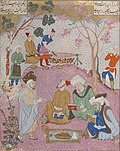
Atiśa was born around 982 CE in Bengal and became a religious teacher anchored at Vikramaśīla Monastery in Bihar, where he produced a significant body of work. In the 11th century he traveled to Sumatra and then to Tibet, spreading Mahayana and Vajrayana practice across a vast swath of Asia. With his chief disciple Dromtön, he founded the Kadam school, one of the New Translation schools of Tibetan Buddhism. He died in 1054. Three centuries later the Gelug tradition rose and absorbed the Kadam monasteries, folding Atiśa's teachings into a lineage that would dominate the plateau.
Text from Wikipedia, CC BY-SA 4.0
Fame.am measures public visibility signals. It does not measure human value, talent, morality, or credibility.