
Art Clokey
✓ Source-basedstableAmerican animator (1921-2010)
Arthur Charles Clokey was an American animator, director, producer, screenwriter and voice actor. He was a pioneer in the popularization of stop-motion clay animation, best known as the creator of the character Gumby and the original voice of Gumby's sidekick, Pokey.
Also inDeutsch
Photos 1

Filmography 12
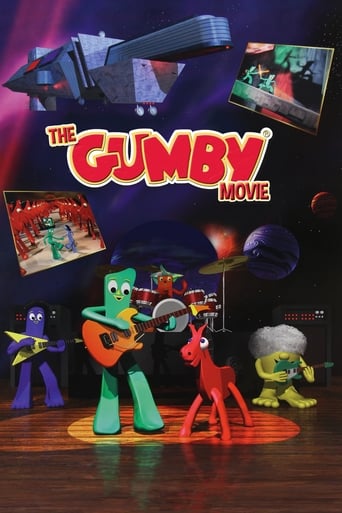 Gumby: The Movie
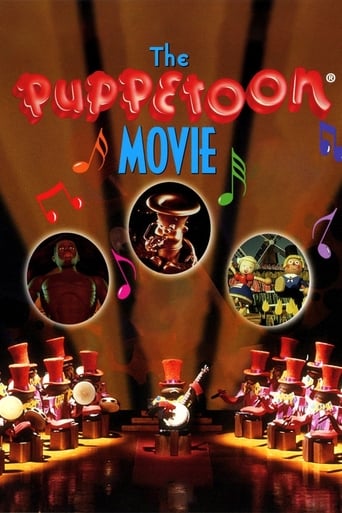 The Puppetoon Movie
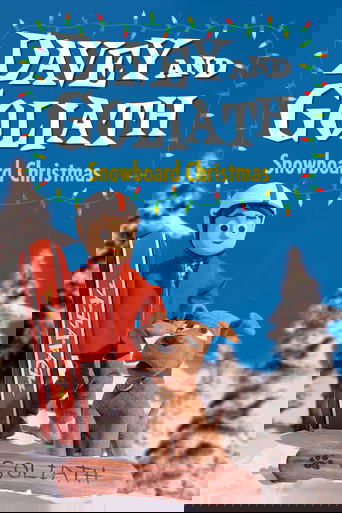 Davey and Goliath's Snowboard Christmas
 Mandala
 Gumby Dharma
 Gumbasia
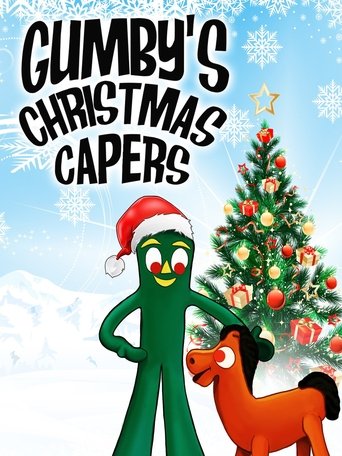 Gumby's Christmas Capers
 The Clay Peacock
 Christmas Lost and Found
 Happy Easter
 Adventures of Gumby: A Sample
 Mysterious Fires
31 credits on file
Television 3
 The Gumby Show
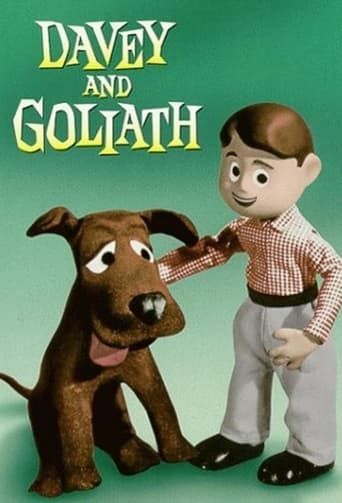
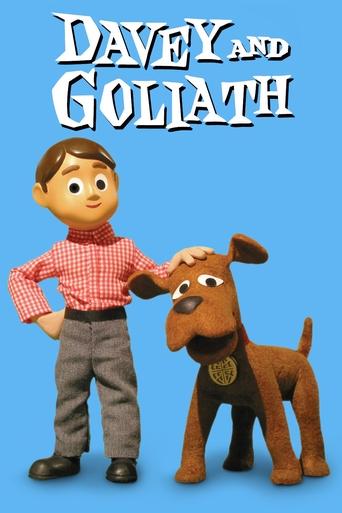 Davey and Goliath
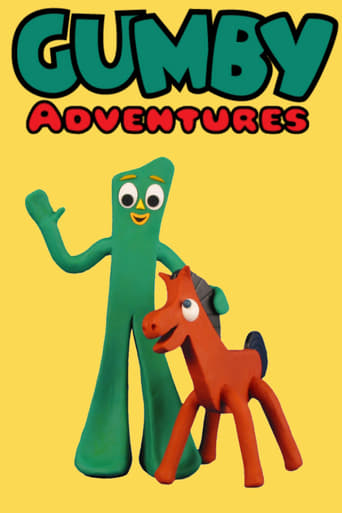 Gumby Adventures
Awards 2
In their orbit 2
Connected to Art 5


Directors from United States 1

About this person
Arthur Charles Clokey was an American animator, director, producer, screenwriter and voice actor. He was a pioneer in the popularization of stop-motion clay animation, best known as the creator of the character Gumby and the original voice of Gumby's sidekick, Pokey. Clokey's career began in 1953 with a film experiment called Gumbasia, which was influenced by his professor, Slavko Vorkapich, at the University of Southern California. Clokey and his wife Ruth subsequently came up with the clay character Gumby and his horse Pokey, who first appeared in the Howdy Doody Show and later got their own series The Adventures of Gumby, from which they became a familiar presence on American television. The characters enjoyed a renewal of interest in the 1980s when American actor and comedian Eddie Murphy parodied Gumby in a skit on Saturday Night Live.
 United States
Fame.am measures public visibility signals. It does not measure human value, talent, morality, or credibility.