
Alfred L. Werker
✓ Source-basedfallingAmerican film director (1896-1975)
Alfred L. Werker was a film director whose work in movies spanned from 1917 through 1957. After a number of film production jobs and assistant directing, Werker co-directed his first film, Ridin' the Wind, in 1925 alongside director Del Andrews.
Also inDeutsch
Photos 1

Filmography 40
 The Reluctant Dragon
 The Adventures of Sherlock Holmes
 He Walked by Night
 Shock
Shock Repeat Performance
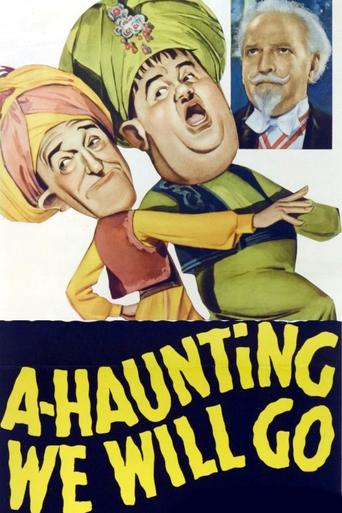 A-Haunting We Will Go
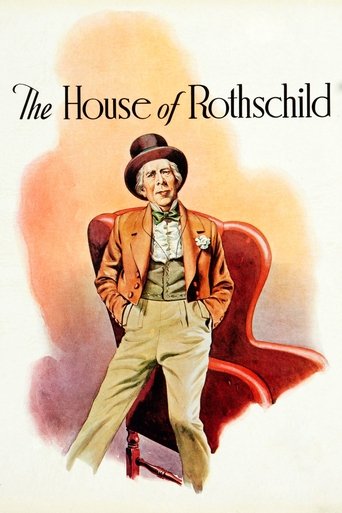 The House of Rothschild
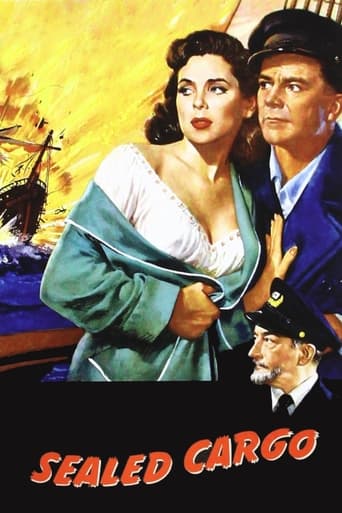 Sealed Cargo
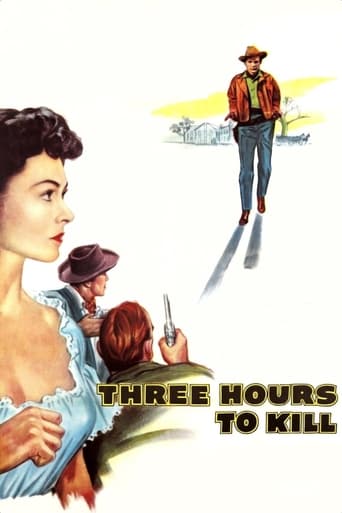 Three Hours to Kill
 At Gunpoint
 Walk East on Beacon
 Hello, Sister!
 Devil's Canyon
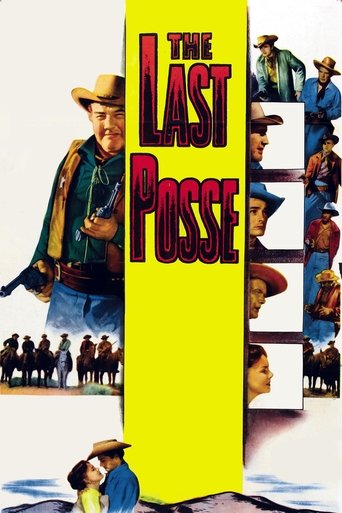 The Last Posse
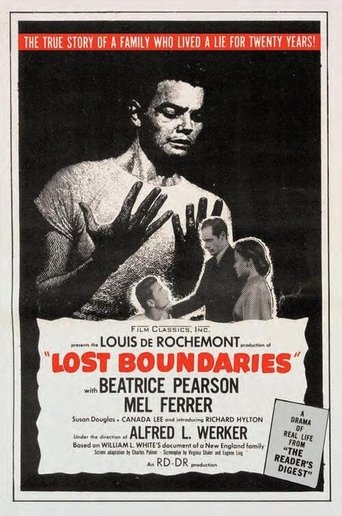 Lost Boundaries
 Whispering Ghosts
 Rebel in Town
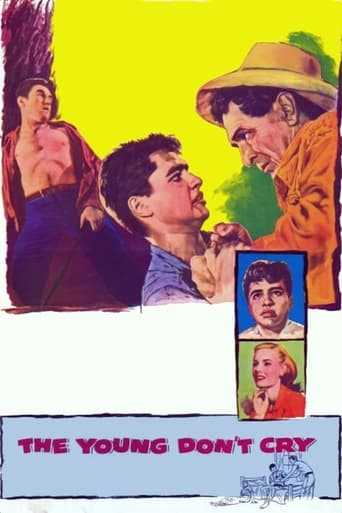 The Young Don't Cry
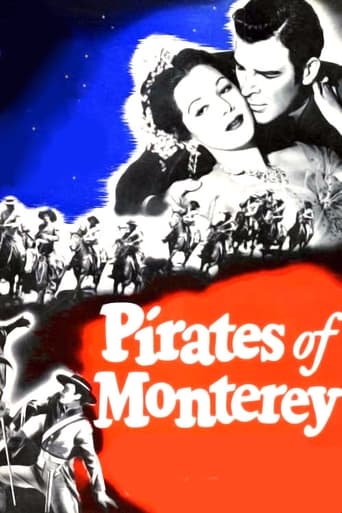 Pirates of Monterey
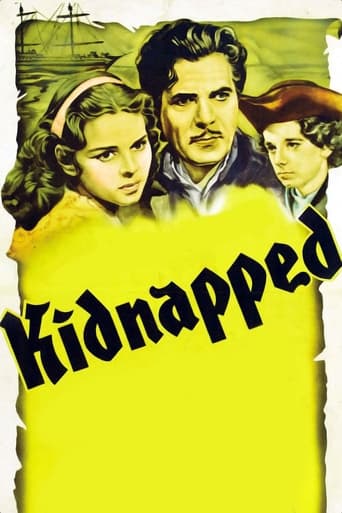 Kidnapped
 Gateway
 News Is Made at Night
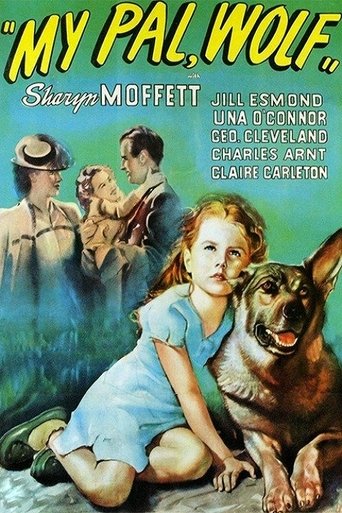 My Pal, Wolf
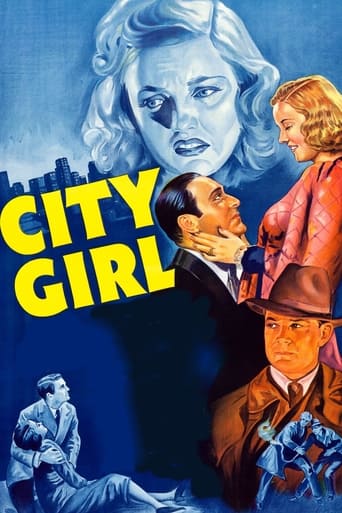 City Girl
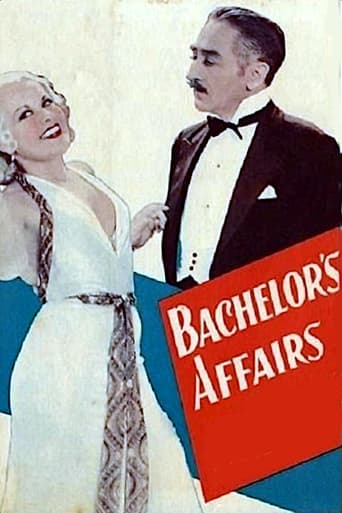 Bachelor's Affairs
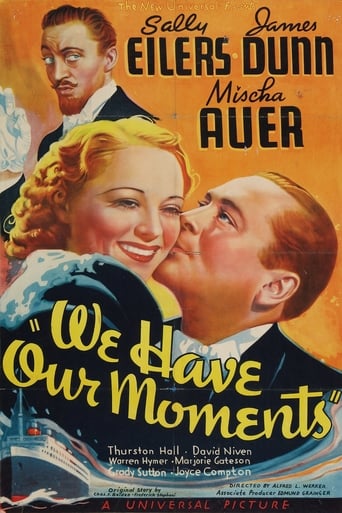 We Have Our Moments
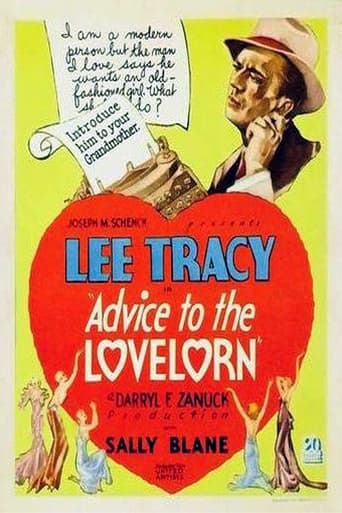 Advice to the Lovelorn
 Canyon Crossroads
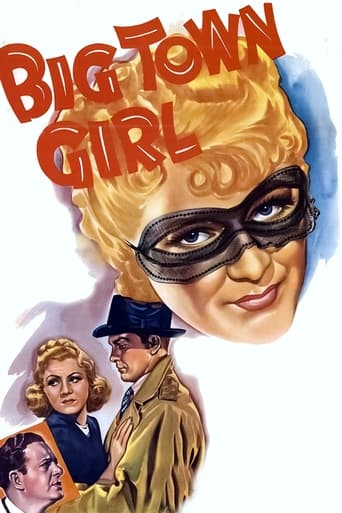 Big Town Girl
 Stolen Harmony
 You Belong to Me
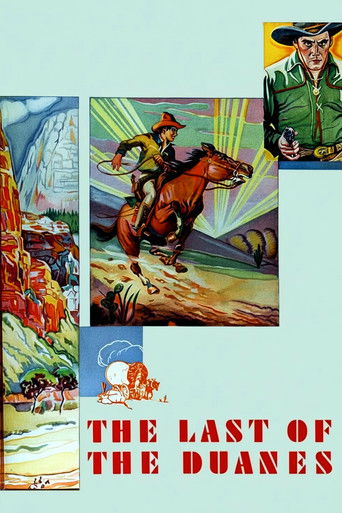 The Last of the Duanes
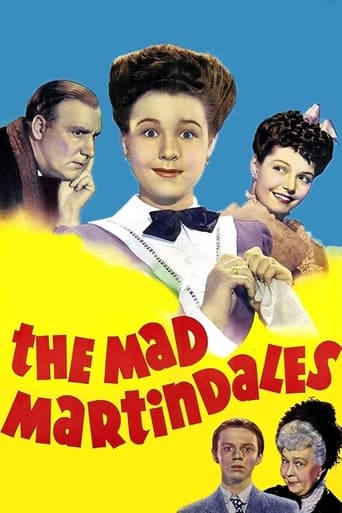 The Mad Martindales
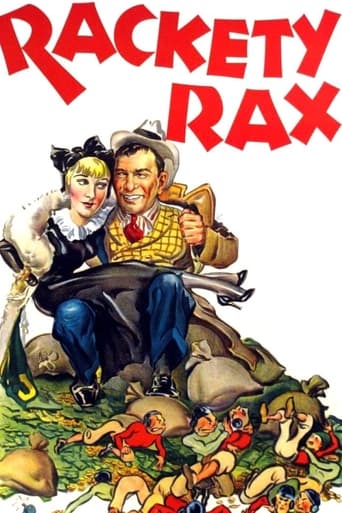 Rackety Rax
 It's Great to Be Alive
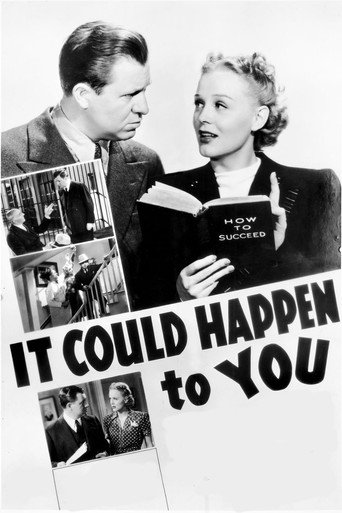 It Could Happen to You
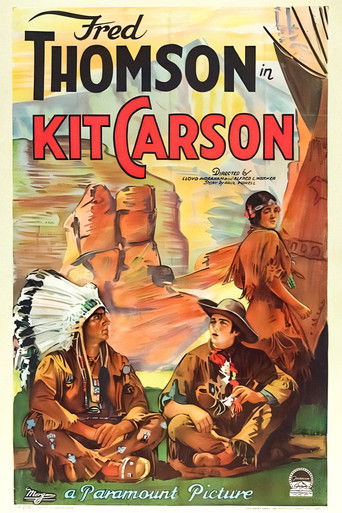 Kit Carson
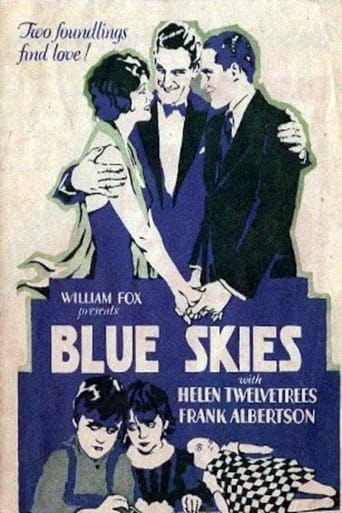 Blue Skies
 The Pioneer Scout
 Wild and Woolly
61 credits on file
Awards 1
Connected to Alfred 6


About this person
Alfred L. Werker was a film director whose work in movies spanned from 1917 through 1957. After a number of film production jobs and assistant directing, Werker co-directed his first film, Ridin' the Wind, in 1925 alongside director Del Andrews. He was brought in by Fox Film Corporation executives to re-shoot and re-edit Erich von Stroheim's film Hello, Sister! (1933), co-starring Boots Mallory and ZaSu Pitts.
 United States
Fame.am measures public visibility signals. It does not measure human value, talent, morality, or credibility.