Aleksandr Solzhenitsyn
Russian writer, publicist, poet and politician (1918-2008) · Russia · Writers · Died at 89
Aleksandr Solzhenitsyn is read about 2,720 times a day, in 120 languages.
A typical day, 30 days to 18 October 2026
The middle day of the days counted, so one week of news cannot move it. The line under it is the last 393 days, one point a day.
Something wrong?He wrote the book that cracked open the Soviet prison system for the world to see. The Gulag Archipelago sold tens of millions of copies and mounted a head-on challenge to the Soviet state - earning Solzhenitsyn a Nobel Prize, exile, and a place in history as the dissident who refused to look away.
A life in dates
Also in Deutsch
Photos 12
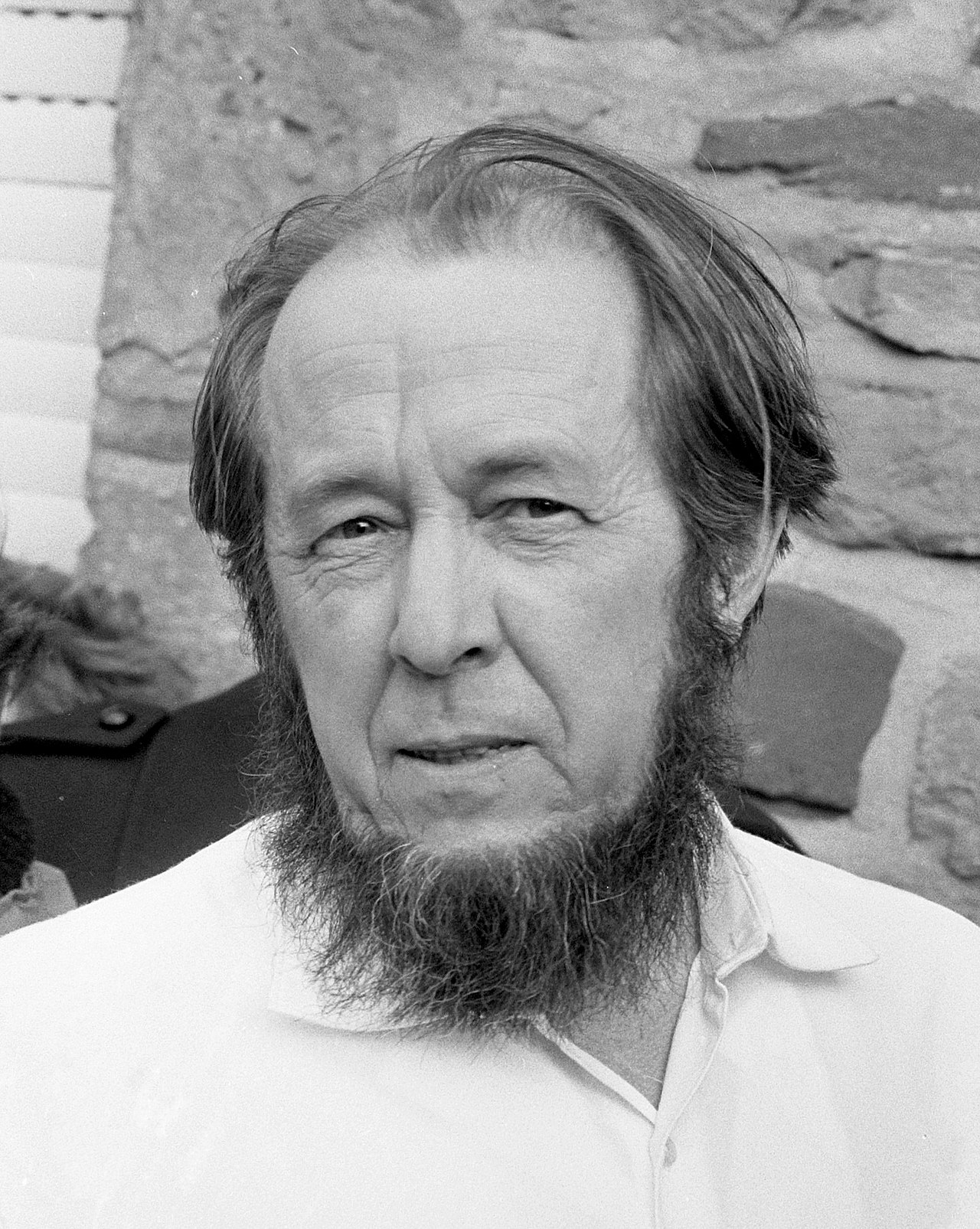

 Solzhenitsyn (right) and his long-time friend Mstislav Rostropovich (left) at the celebration of Solzhenitsyn's 80th birthday
 Solzhenitsyn with Heinrich Böll in Langenbroich, West Germany, 1974
 Solzhenitsyn looks out from a train, in Vladivostok, summer 1994, before departing on a journey across Russia. Solzhenitsyn returned to Russia after nearly 20 years in exile.
 Russian president Dmitry Medvedev and many Russian public figures attended Solzhenitsyn's funeral ceremony, 6 August 2008.
 Solzhenitsyn giving a speech at the State Duma on October 28, 1994
In their own words 10
 ,
, There is a word very commonly used these days: "anti-communism." It's a very stupid word, badly put together.
In our country the lie has become not just a moral category but a pillar of the State.
It is not because the truth is too difficult to see that we make mistakes.
Awards
Family
Parents
Aleksandr SolzhenitsynPartners


Is this everyone?
Only relatives with a profile here are drawn, so a family can be larger than this. A line here can also be wrong.
Correct this familyAbout this person
Born in 1918 into a devout Russian Orthodox family, Solzhenitsyn turned atheist young and embraced Marxism-Leninism. Serving as a Red Army captain in World War II, he was arrested by SMERSH in 1944 and sentenced to eight years in the Gulag for criticizing Stalin in private letters. Prison turned him back toward Eastern Orthodox Christianity and gave him the material for a life's work. Released during the Khrushchev Thaw, he published One Day in the Life of Ivan Denisovich in 1962 with Khrushchev's approval, then Cancer Ward, In the First Circle, and August 1914 abroad as the Soviet mood darkened. The Gulag Archipelago appeared in 1973; a year later, authorities stripped his citizenship and deported him to West Germany. He moved through Switzerland to Vermont, returned to Russia in 1994 after his citizenship was restored, and died there in 2008.
In common with Aleksandr
 David HewlettAlso in The First Circle (1992)
 Tom CourtenayAlso in One Day in the Life of Ivan Denisovich (1970)
 Gleb PanfilovAlso in Case at the Station Krechetovka (1964)
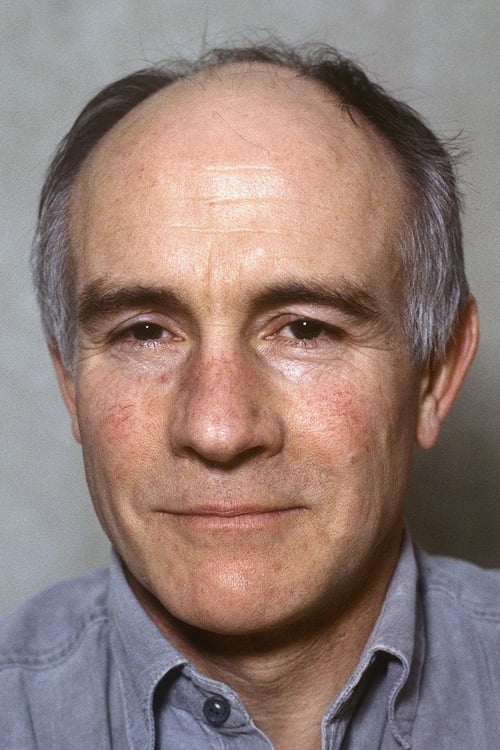 Barry JacksonAlso in The Love-Girl and the Innocent (1973)
 Elżbieta CzyżewskaAlso in The First Circle (1973)
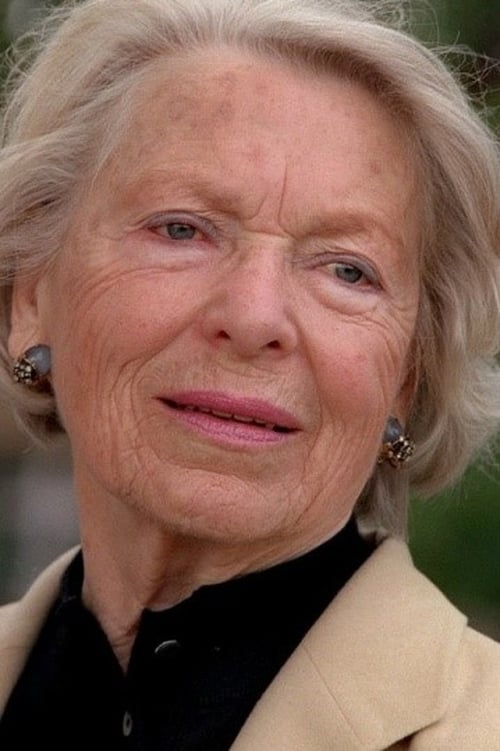 Ruth HausmeisterAlso in Krebsstation (1970)
Fame.am measures public visibility signals. It does not measure human value, talent, morality, or credibility.