
What kind of moment: History, Election
First Labour Prime Minister elected
- When
- 22 January to 4 November 1924
- Where
- United Kingdom
- Labour Seats
- 191 (out of 615)
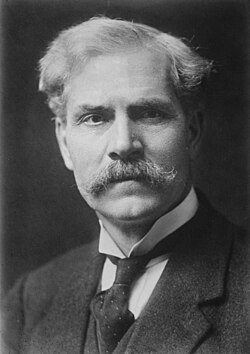
Ramsay MacDonald became Britain's first Labour Prime Minister in January 1924, leading a minority government that lasted less than a year. His administration signaled a dramatic shift in British politics, replacing the Liberal Party as the primary opposition to the Conservatives and proving the Labour Party could govern at the national level.
MacDonald's election shattered the three-party system that had dominated British politics since the 1880s. Labour's arrival as a governing force permanently reshaped the country's political landscape, relegating the Liberals to third-party status and establishing the Conservative-Labour binary that persists today.
In numbers
- Labour Seats
- 191 (out of 615)
How it unfolded
MacDonald Becomes Prime Minister
Government Takes Office
The Labour ministry is formally established. MacDonald serves as both Prime Minister and Foreign Secretary.
Campbell Case
The government's decision to drop charges against J.R. Campbell, a communist newspaper editor, triggers the first major parliamentary crisis. Opposition parties view it as weakness on communism.
Vote of No Confidence
Parliament votes on a motion of no confidence in the government over the Campbell case. MacDonald loses the vote and calls a general election.
General Election Held
Government Falls
The MacDonald government formally dissolves. Stanley Baldwin forms a Conservative government, ending Labour's brief tenure in power.
- What followed
1924: Communist Party fears and 'Zinoviev Letter' scandal
- What followed
1924: Establishment of Labour as major party
- What followed
1924: Soviet diplomatic recognition
Named in the story
More about this election
Before and after, with the same people
- 1906 United Kingdom general election: Liberal Party wins a majority
 MacDonaldSee the moment ›
- First Labour Prime Minister electedMacDonaldThis moment
- 1924 United Kingdom general election: Conservative Party wins a majorityMacDonaldSee the moment ›