What kind of moment: History, Literary release
Mary Shelley Publishes Frankenstein
- When
- 1818
- Where
- United Kingdom
- First edition print run
- Approximately 500 copies
Mary Shelley, then 20 years old, published Frankenstein in 1818-a novel that accidentally invented science fiction. Born from a ghost-story challenge among literary friends in Switzerland, the book told of Victor Frankenstein's disastrous attempt to create life, and it mattered because it asked scientific questions that still haunt us: How far should ambition go? What do we owe to what we create?
Shelley's 1818 novel didn't just become the foundation text of science fiction-it established a new genre vocabulary for exploring technology's moral stakes. By wedding scientific plausibility to Gothic horror, she created a template that writers, filmmakers, and technologists still follow when imagining the consequences of human ambition overreaching ethics.
In numbers
- First edition print run
- Approximately 500 copies
Where it sits in their lives
 Percy Bysshe Shelley1792 to 182226
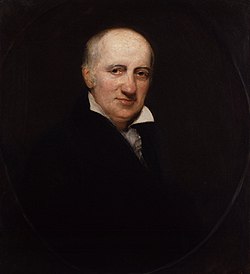 William Godwin1756 to 183662
- Their age at this moment
How it unfolded
Villa Diodati gathering begins
Mary Godwin (not yet Shelley), Percy Bysshe Shelley, Lord Byron, and others gather at Byron's rented villa near Geneva. Byron proposes a ghost-story competition.
The dream that started it all
Mary reports having a waking dream of a scientist kneeling beside a creature he has brought to life. She begins drafting what will become Frankenstein.
Manuscript substantially complete
Mary finishes the first full draft of Frankenstein, having worked through the preceding months while pregnant with her first child.
Frankenstein published anonymously
A three-volume edition is published in London without the author's name, attributed only to 'By a gentleman.' The novel sells modestly at first.
Second edition published with attribution
A revised two-volume edition is published, this time credited to 'Mary Wollstonecraft Shelley,' finally revealing the author's identity to readers.
Third edition with author's introduction
Shelley publishes a significantly revised edition in Bentley's Standard Novels series, including her famous account of the novel's origin at Villa Diodati.
- What followed
1818: Founding of science fiction as a literary genre
- What followed
1820: Gothic novel evolution
- What followed
1823: Women's authorship legitimacy

