What kind of moment: History, Discovery
Darwin and Wallace's Evolution Theory
- When
- 1858
- Where
- United Kingdom
- First Edition Print Run of Origin
- 1,250 copies
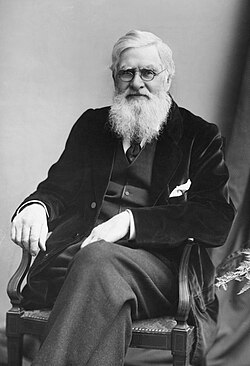
In June 1858, Charles Darwin received a letter from naturalist Alfred Russel Wallace that outlined a theory of evolution nearly identical to the one Darwin had been developing for two decades. Rather than claim sole credit, Darwin and Wallace presented their findings together to the Linnean Society of London, establishing natural selection as the mechanism by which species adapt and change over time.
The joint presentation by Darwin and Wallace on July 1, 1858, unified biological thought around a single explanatory framework for life's diversity. Within five years, Darwin's full argument in *On the Origin of Species* would reshape not just biology but philosophy, theology, and how humans understood their place in nature.
In numbers
- First Edition Print Run of Origin
- 1,250 copies
How it unfolded
Darwin Begins Evolution Notebooks
Darwin returns from the HMS Beagle voyage and starts developing his theory of transmutation of species in his private notebooks, formulating the concept of natural selection.
Darwin Writes Confidential Essay
Darwin composes a 230-page essay outlining his evolutionary theory but keeps it private, sharing only with his wife and a few close colleagues.
Wallace's Letter Arrives
Darwin receives Wallace's letter from Ternate describing a theory of species adaptation through natural selection, forcing Darwin to accelerate his publication plans.
Joint Presentation at Linnean Society
Darwin and Wallace's findings are presented together to the Linnean Society. The presentation includes Darwin's 1844 essay, excerpts from his correspondence with botanist Joseph Hooker, and Wallace's essay.
Origin of Species Published
Wallace Publishes Contribution
Wallace publishes *Contributions to the Theory of Natural Selection*, formalizing his independent work on evolution and biogeography.
- What followed
1859: Publication of On the Origin of Species
- What followed
1860: Oxford Evolution Debate
- What followed
1947: Establishment of paleontology as rigorous discipline