
What kind of moment: History, Cultural movement
Colombian Exchange: First Transatlantic Voyage
- When
- 1492
- Voyage duration
- 70 days across Atlantic
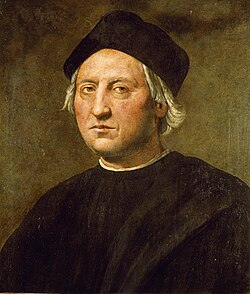
In August 1492, Christopher Columbus sailed west from Spain across the Atlantic Ocean, reaching the Caribbean islands and initiating sustained contact between Europe and the Americas. The voyage triggered centuries of biological, cultural, and economic exchange - crops, animals, diseases, and people moved between hemispheres, reshaping societies on both sides of the ocean in ways both transformative and catastrophic.
Columbus's 1492 crossing opened a permanent channel between two previously isolated worlds. What followed - the movement of potatoes and maize to Europe and Africa, horses and pigs to the Americas, and Old World diseases that decimated indigenous populations - reshaped global demographics, agriculture, and power structures for the next five centuries.
In numbers
- Voyage duration
- 70 days across Atlantic
- Indigenous population decline
- Estimated 90% reduction in Caribbean indigenous populations within 100 years of contact
How it unfolded
Fleet departs Spain
Columbus leaves Palos with the Niña, Pinta, and Santa María, funded by the Spanish crown.
First landfall in the Caribbean
Columbus reaches an island in the Bahamas (identified by historians as likely San Salvador), making first documented European contact with the Caribbean.
Santa María wrecks off Hispaniola
Columbus's flagship runs aground; he establishes La Navidad settlement with 39 men remaining.
Second voyage departs
Columbus leads a larger fleet of 17 ships back to the Caribbean with colonization in mind.
Exchange accelerates
Regular transatlantic voyages begin establishing sustained biological and cultural exchange between hemispheres.
Demographic catastrophe evident
Indigenous population of the Caribbean has collapsed by an estimated 90% due primarily to introduced diseases.
- What followed
1493: Smallpox epidemic in Hispaniola
- What followed
1494: Treaty of Tordesillas divides the world
- What followed
1499: Encomienda system institutionalizes forced labor
Named in the story
More about this cultural movement
Before and after, with the same people
- Colombian Exchange: First Transatlantic Voyage
 ColumbusThis moment
- Treaty of TordesillasColumbusSee the moment ›