
What kind of moment: History, War
Boer War & British Imperial Consolidation
Britain's bitter three-year conflict with Boer republics cemented imperial control of Southern Africa and exposed imperial vulnerabilities.
- When
- 11 October 1899 to 31 May 1902 (2 years, 7 months, 2 weeks, and 6 days)
- Where
- Southern Africa
- Outcome
- British victory; Invasion and dissolution of the South African Republic and Orange Free State; Treaty of Vereeniging
Britain's military victory consolidated imperial control over Southern Africa but at a reputational cost that accelerated anti-colonial sentiment globally. The war's brutality - particularly the concentration camps - exposed the cruelties of imperial consolidation and foreshadowed the 20th century's reckoning with colonialism.
In numbers
- Boer combatants
- Approximately 60,000 at peak strength
- Civilian deaths in British concentration camps
- Approximately 26,000, predominantly Boer women and children
Where it sits in their lives
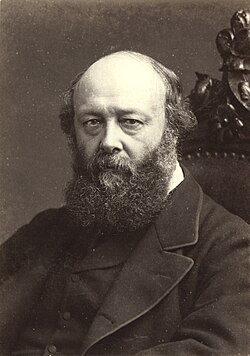 Robert Gascoyne-Cecil, 3rd Marquess of Salisbury1830 to 190369
 Paul Kruger1825 to 190474
 Alfred Milner, 1st Viscount Milner1854 to 192545
 Louis Botha1862 to 191937
- Their age at this moment
- Their other moments in history
How it unfolded
War declared
The Transvaal and Orange Free State deliver ultimatums demanding British withdrawal from their borders. Britain rejects them, and the Boer republics formally declare war.
Mafeking relieved
British forces under Robert Baden-Powell lift the 217-day Boer siege of the garrison town, sparking celebrations in Britain and becoming a symbol of imperial resilience.
Johannesburg captured
Lord Kitchener's reinforced British army captures the Witwatersrand gold center, a symbolic victory that shifts the war's conventional phase toward guerrilla conflict.
Concentration camps established
Kitchener implements a systematic relocation of Boer civilians into camps to deny supplies and support to guerrilla forces. Disease and malnutrition begin killing thousands, primarily children.
Emily Hobhouse reports camp conditions
The British welfare investigator publishes findings documenting disease, overcrowding, and inadequate food in the camps, sparking international outcry and domestic British criticism.
Treaty of Vereeniging signed
Boer generals including Louis Botha and Christiaan De Wet sign the peace treaty ending the war. Britain grants the republics £3 million in reconstruction funds and promises responsible government within a decade.
- What followed
1902: Rise of anti-imperial sentiment globally
- What followed
1910: Formation of the Union of South Africa
- What followed
1905: Development of modern counterinsurgency doctrine


Who took part


More about this war
Leaders
Robert Gascoyne-Cecil, 3rd Marquess of Salisbury (Cape Colony, Natal Colony +4 more), Joseph Chamberlain, Alfred Milner, 1st Viscount Milner, Frederick Roberts, 1st Earl Roberts, Sir William Robertson, 1st Baronet, Paul Methuen, 3rd Baron Methuen
Paul Kruger (South African Republic, Orange Free State +4 more), Koos de la Rey, Louis Botha, Schalk W. Burger, Piet Cronjé, Piet Joubert
Before and after, with the same people
- 1880 United Kingdom general election: Liberal Party wins a majority
 ChamberlainSee the moment ›
- 1885 United Kingdom general election: Liberal Party largest, no majority
 Salisbury, ChamberlainSee the moment ›
- Boer War & British Imperial Consolidation
 Salisbury, Kruger, MilnerThis moment
- 1906 United Kingdom general election: Liberal Party wins a majorityChamberlainSee the moment ›
- 1910 South African general election: South African, Orangia Unie, and Het Volk wins a majority
 BothaSee the moment ›