Terken Hatun
Empress of the Khwarazmian Empire · Politicians · Lived 1151 to 1233 · aged 82
Terken Hatun is read about 70 times a day, in 15 languages.
Counted to 25 August 2026, not since.
The middle day of the days counted, so one week of news cannot move it. The line under it is the last 60 days, one point a day.
Something wrong?Terken Khatun was the Empress of the Khwarazmian Empire by marriage to Shah Ala al-Din Tekish, and the mother and de facto co-ruler of Muhammad II of the Khwarazmian Empire. After marrying Ala al-Din Tekish, Turkan Khatun involved all her relatives and close associates in managing state and military affairs.
Photos 1

Family
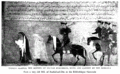 Terken Hatun
Partners


Is this everyone?
Only relatives with a profile here are drawn, so a family can be larger than this. A line here can also be wrong.
Correct this familyAbout this person
Terken Khatun was the Empress of the Khwarazmian Empire by marriage to Shah Ala al-Din Tekish, and the mother and de facto co-ruler of Muhammad II of the Khwarazmian Empire. After marrying Ala al-Din Tekish, Turkan Khatun involved all her relatives and close associates in managing state and military affairs. Every region conquered by Ala al-Din Tekish or his son Muhammad Khwarazm was assigned to one of Turkan Khatun's trusted people, which allowed her to effectively control the entire vast territory of the Khwarazmshahs. Her orders were above those of both her husband and her son. One of the reasons for the collapse of the Khwarazmshah dynasty is considered to be Turkan Khatun's extensive political interference, her extraordinary influence, and her partnership in ruling alongside Muhammad Khwarazm. It is said that Ghayur Khan, who played a role in the Mongol invasion of Iran, was Turkan Khatun's nephew and under her protection. Ghayur Khan was the person who, by killing Mongol merchants and seizing their property, ignited the war between Iran and the Mongols.
Politicians born in the 1150s 6


Fame.am measures public visibility signals. It does not measure human value, talent, morality, or credibility.