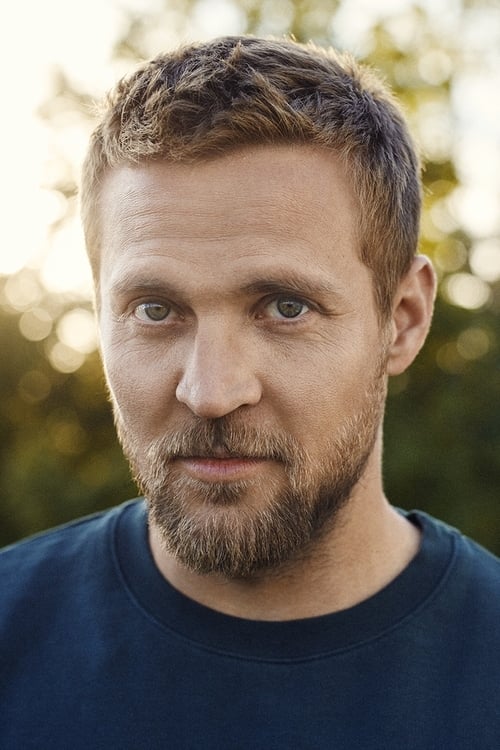
Magnus Carlsen
Norwegian chess player (born 1990) · Norway · Chess Players
Magnus Carlsen is read about 5,549 times a day, in 96 languages.
A typical day, 30 days to 15 October 2026
The middle day of the days counted, so one week of news cannot move it. The line under it is the last 390 days, one point a day.
Something wrong?He became the youngest world No. 1 at 19, held the top ranking for over a decade straight, and beat the computer's certainty that equal positions stay equal. Carlsen doesn't prepare like other grandmasters - he plays everything, forcing opponents to think instead of memorize.
A life in dates
Also in Deutsch
Photos 12


In their own words 10
 ,
I'm certainly somebody who hopes for more 960 in classical format because I feel like 960 is not that suited to rapid and blitz because you're just gonna play too poorly.
I think in general the future of classical chess as it is now is a little bit dubious.
When did I understand it was a draw? I understood it immediately. That doesn't mean you shouldn't play.
On YouTube
1.6M subscribersAwards
About this person
Sven Magnus Øen Carlsen was born 30 November 1990 in Norway and earned his grandmaster title at 13, the second-youngest in history at the time. At 17 he won his first elite tournament, joint first at Corus, then crossed 2800 rating at 18 after the 2009 Pearl Spring Chess Tournament where he posted a performance rating of 3002. In 2010 he became the youngest ever world No. 1, a spot he has held since 1 July 2011 - the longest consecutive reign in history. He took the classical world title from Vishy Anand in 2013 and defended it three times before declining to play in 2023, citing lack of motivation. In that same year he won the Chess World Cup for the first time. His peak rating of 2882 is the highest achieved since 1970, his 125-game unbeaten streak at elite level remains unmatched, and he is the only player ever to hold the World Chess, World Rapid, and World Blitz titles at once - a triple he completed three separate times.



Fame.am measures public visibility signals. It does not measure human value, talent, morality, or credibility.