José Maria da Silva Paranhos
Politician, monarchist, diplomat, teacher and journalist of the Empire of Brazil (1819-1880) · Brazil · Politicians · Died at 60
José Maria da Silva Paranhos is read about 50 times a day, in 16 languages.
A typical day, 30 days to 19 September 2026
The middle day of the days counted, so one week of news cannot move it. The line under it is the last 60 days, one point a day.
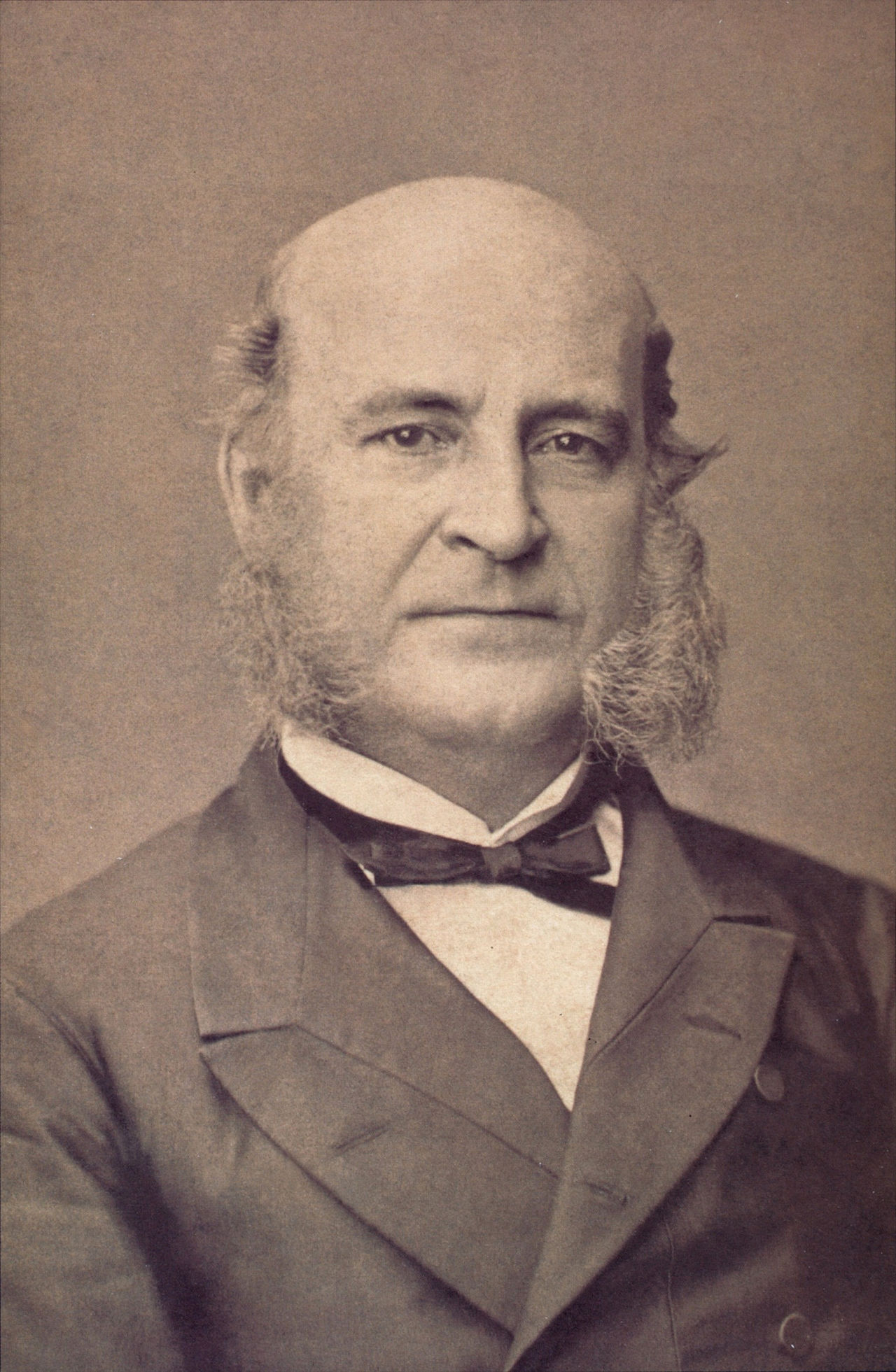
Something wrong?José Maria da Silva Paranhos, Viscount of Rio Branco, was a Brazilian politician, monarchist, diplomat, teacher and journalist. Rio Branco was born in Salvador, in what was then the Captaincy of Bahia, to a wealthy family, but most of the fortune was lost after his parents' deaths early in his childhood.
Photos 12
 A young José Paranhos, dressed in an Army cadet uniform around 1841
 Aureliano Coutinho, Viscount of Sepetiba, leader of the Courtier Faction
 Map of the region where the Platine War occurred
 The Conciliation Cabinet. Emperor Dom Pedro II in the center; Carneiro Leão at the far left; and Paranhos (bald since the middle of the 1840s) on the far right
 José Paranhos around the age of 39, c. 1858
 Paranhos around the age of 45, c. 1864
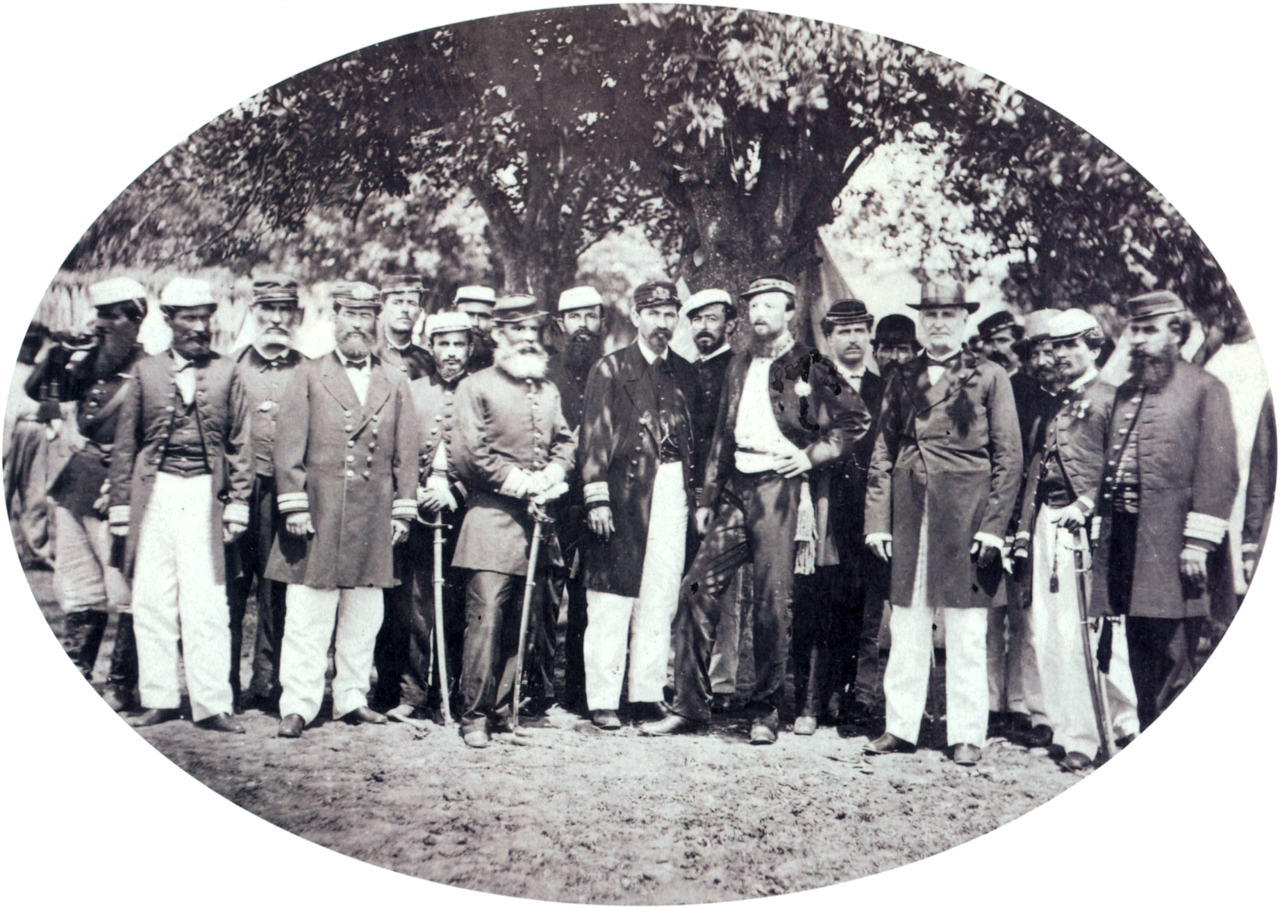 The Count of Eu (with his hand on his waist) with José Paranhos (to his left, in light trousers) and Alfredo d'Escragnolle Taunay (between them) among Brazilian officers, 1870
Awards
Family
 José Maria da Silva Paranhos
Children

Is this everyone?
Only relatives with a profile here are drawn, so a family can be larger than this. A line here can also be wrong.
Correct this familyAbout this person
José Maria da Silva Paranhos, Viscount of Rio Branco, was a Brazilian politician, monarchist, diplomat, teacher and journalist. Rio Branco was born in Salvador, in what was then the Captaincy of Bahia, to a wealthy family, but most of the fortune was lost after his parents' deaths early in his childhood. In 1871, Rio Branco became the president of the Council of Ministers. He would be the Council's longest-serving president, and his cabinet the second longest, in Brazilian history. His government was marked by economic prosperity and several reforms. The most important of these initiatives was the Law of Free Birth, which granted freeborn status to children born to slave women. Rio Branco led the government that enacted this law, and its passage increased his popularity. His government was plagued by a long crisis with the Catholic Church that resulted from the expulsion of Freemasons from its lay brotherhoods. After more than four years heading the Cabinet, Rio Branco resigned in 1875. Following a long vacation in Europe, his health swiftly declined and he was diagnosed with oral cancer. Rio Branco died in 1880 and was widely mourned throughout the country. He is regarded by most historians as one of Brazil's greatest statesmen.


Fame.am measures public visibility signals. It does not measure human value, talent, morality, or credibility.